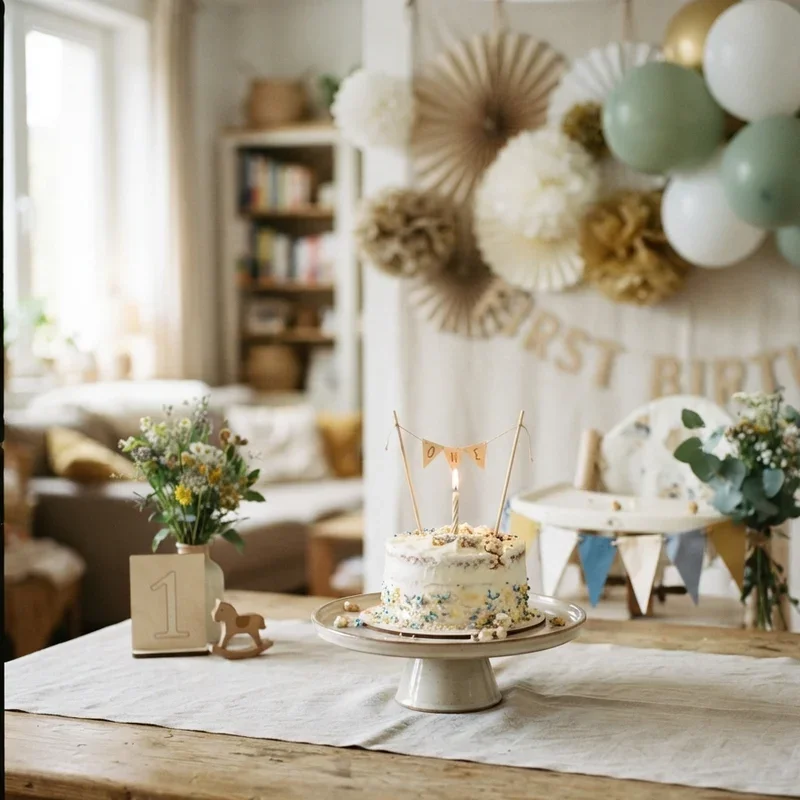
How to Start a Party Decorating Business Step by Step
Learn how to start a party decorating business step by step with proven tips on planning, branding, pricing, and landing clients.

So you've got an eye for color, a knack for making spaces look absolutely stunning, and a deep love for celebrations. Well, guess what? You might just be sitting on a goldmine. The party decorating industry is booming right now, and there's never been a better time to jump in and carve out your own slice of the pie.
Starting a party decorating business isn't just about blowing up balloons and tossing confetti around. It takes real planning, a solid strategy, and a whole lot of passion. But here's the good news: if you're willing to put in the work, you can absolutely build a thriving business that brings joy to people while padding your bank account. This guide on how to start a party decorating business step by step will walk you through everything you need to know, from the initial spark of an idea all the way to booking your first clients and scaling up. Let's dive right in, shall we?
Why the Party Decorating Industry Is Worth Your Attention
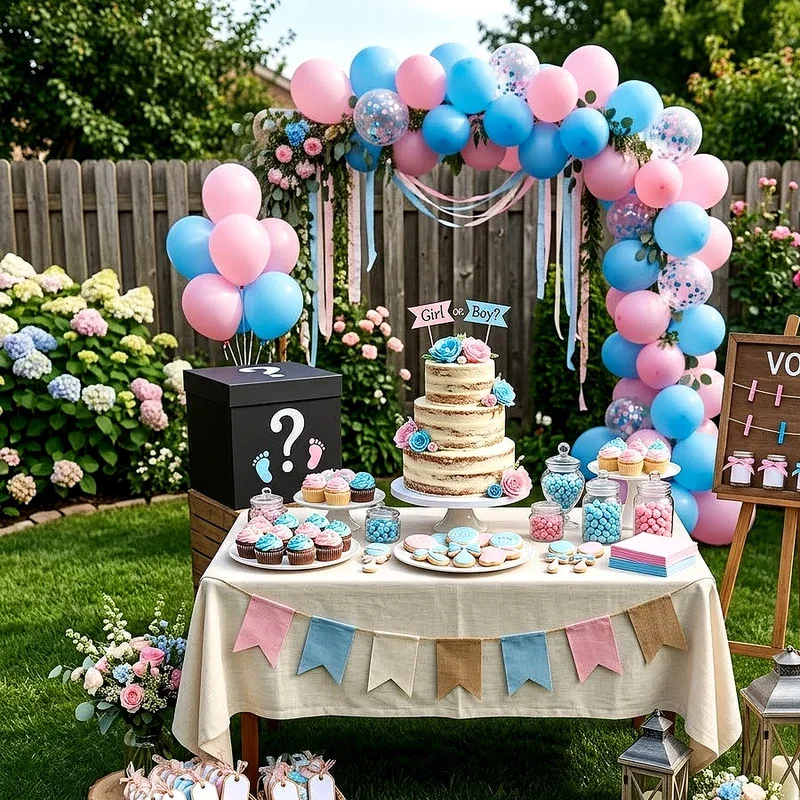
Before rolling up your sleeves, it helps to understand why this industry is such a promising playground. People celebrate everything these days. Birthdays, baby showers, gender reveals, graduations, corporate events, retirement parties, and even divorce parties are all on the table. Each one of those events needs someone with a creative touch to make the venue look unforgettable.
The global events industry has been growing steadily, and consumers are spending more than ever on personalized party experiences. Social media platforms like Instagram and Pinterest have raised the bar for what people expect at their gatherings. Nobody wants a plain room anymore. They want themed backdrops, balloon arches, custom table settings, and photo-worthy moments. That's exactly where you come in. With relatively low startup costs compared to many other businesses, party decorating offers a fantastic return on investment for anyone willing to hustle.
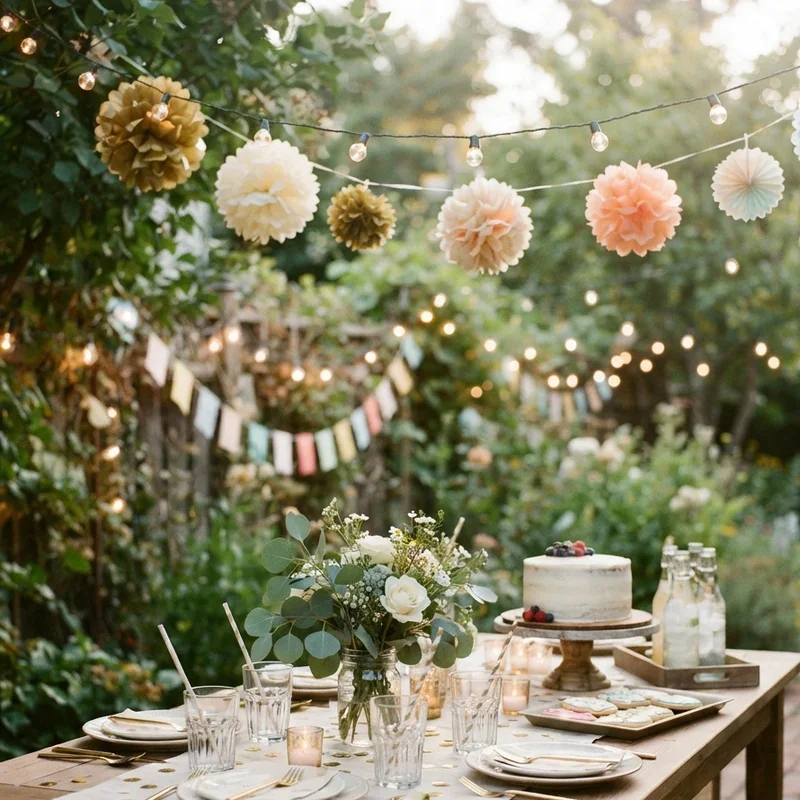
How to Start a Party Decorating Business Step by Step
Step 1: Identify Your Niche and Target Market
First things first, you've got to figure out what kind of party decorator you want to be. Trying to be everything to everyone is a recipe for burnout. Instead, narrow your focus and pick a lane that excites you.
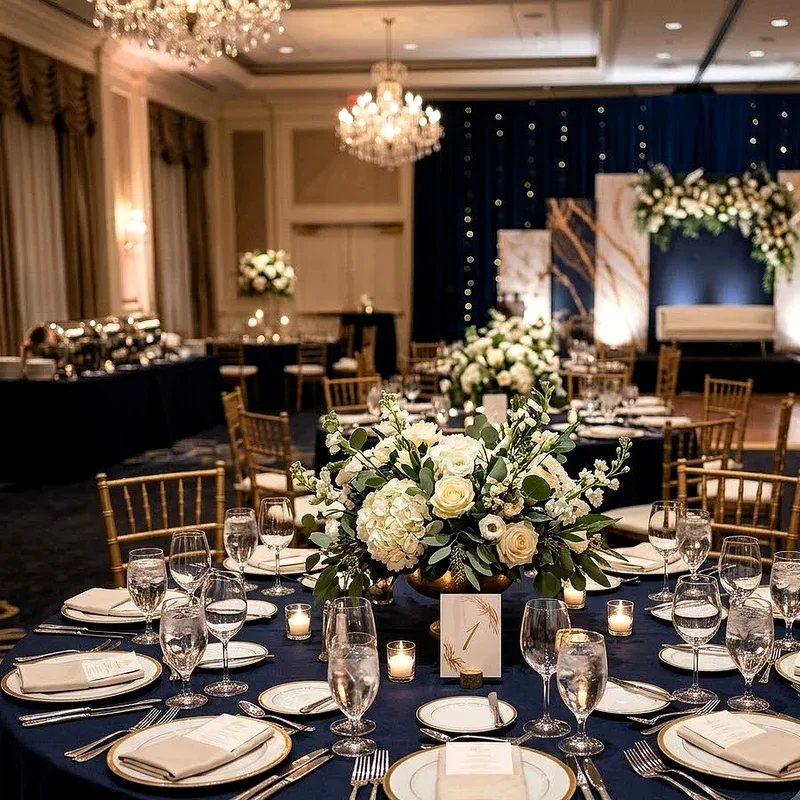
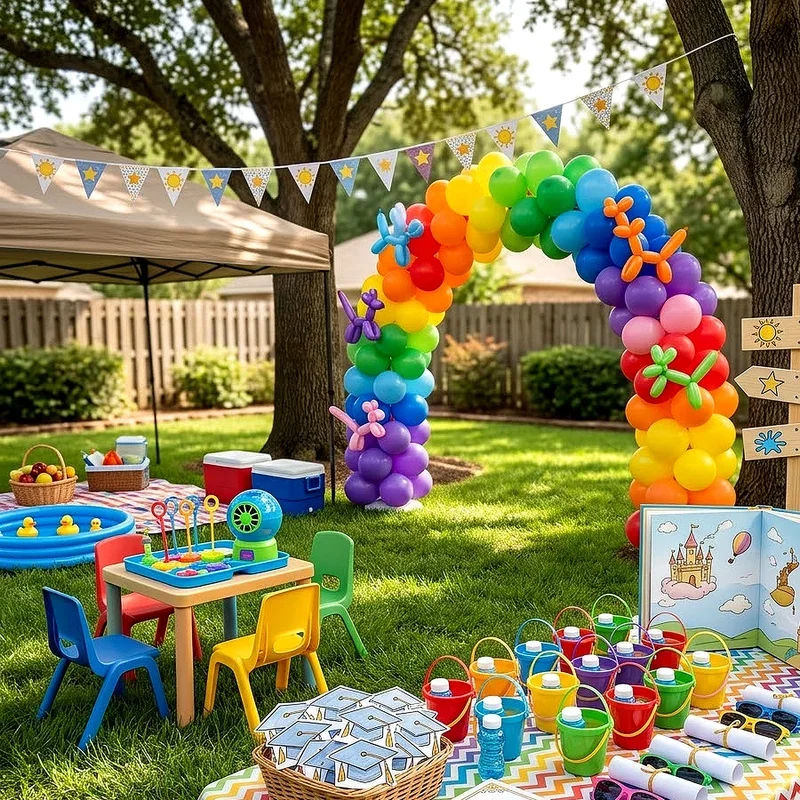
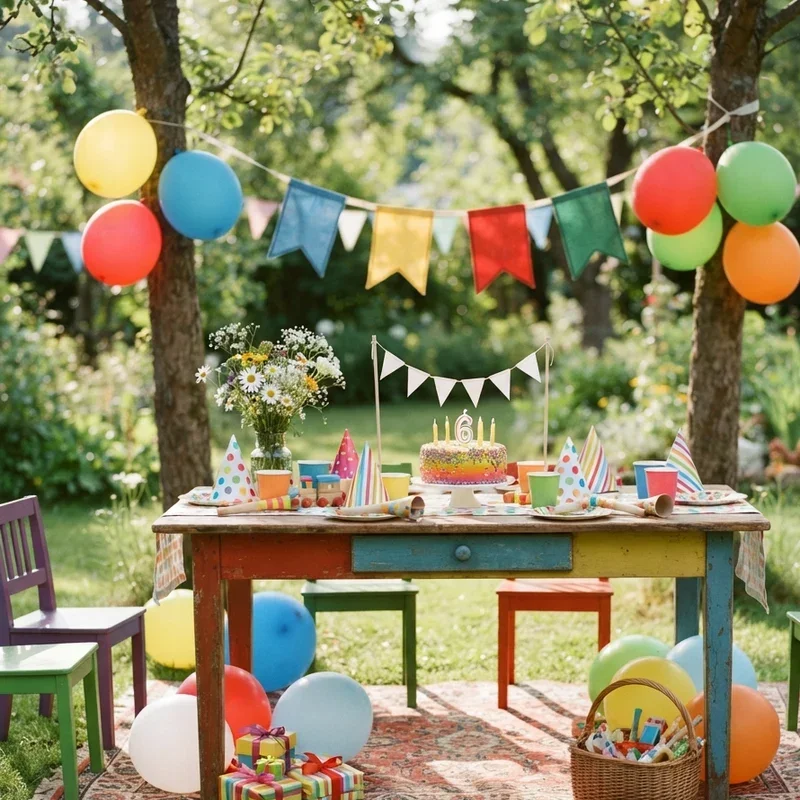
Think about the types of events that light you up inside. Maybe you're obsessed with children's birthday parties and love creating whimsical wonderlands. Perhaps elegant wedding receptions are more your speed. Or maybe corporate events with sleek, professional vibes are where your talents shine. Identifying your niche helps you stand out from the competition and makes your marketing efforts way more effective.
Once you've picked your niche, get to know your ideal client. What's their age range? What's their budget? Where do they hang out online? Understanding your target audience will shape every decision you make going forward, from your branding to your pricing to the platforms you use to promote yourself.
Step 2: Create a Rock-Solid Business Plan
You wouldn't build a house without a blueprint, right? Same thing applies here. A business plan gives you direction and keeps you grounded when things get hectic. It doesn't have to be a hundred-page document, but it should cover the essentials.
Start by outlining your business goals for the first year, the next three years, and the long term. Include details about your services, your pricing structure, your target market, and your marketing strategy. Don't forget to map out your financial projections too. How much money do you need to get started? What are your expected expenses each month? When do you anticipate breaking even? Having these numbers in front of you will help you make smarter decisions and avoid costly mistakes down the road.
Step 3: Handle the Legal Stuff
Nobody loves paperwork, but this part is absolutely critical. You need to make sure your business is legit from day one. Register your business name with your local government, and decide on a business structure. Most party decorators start as sole proprietors or form an LLC for some extra legal protection.
You'll also want to look into permits and licenses required in your area. Some cities and counties have specific requirements for event-related businesses. And please, don't skip business insurance. One broken vase at a client's venue could cost you big time if you're not covered. General liability insurance is a must, and you might also consider professional liability coverage depending on the scale of events you're handling.
Step 4: Build Your Inventory and Supplier Relationships
Now we're getting to the fun part. Shopping for supplies is where your creative juices really start flowing. But hold on, you don't need to buy everything under the sun right away. Start with the basics and build your inventory over time as your business grows.
Essential items to get you going include tablecloths, centerpieces, balloon kits, backdrop stands, string lights, vases, candle holders, and basic craft supplies. Look for wholesale suppliers who can offer you better pricing on bulk orders. Building strong relationships with reliable suppliers is incredibly important because they'll become your go-to partners for years to come.
Consider investing in a few versatile pieces that work across multiple themes and events. A neutral-toned backdrop, for example, can be dressed up or dressed down depending on the occasion. Think smart, spend wisely, and let your collection evolve naturally.
Step 5: Develop Your Brand Identity
Your brand is more than just a logo. It's the feeling people get when they interact with your business. Think about what you want clients to associate with your name. Elegance? Fun? Luxury? Affordability? Creativity? Your brand identity should reflect your personality and resonate with your target market.
Choose a business name that's catchy, easy to remember, and gives people a hint about what you do. Design a logo that looks professional and works across different platforms, from your website to your social media profiles to your business cards. Pick a consistent color palette and font style that ties everything together. When your branding looks cohesive and polished, it builds trust with potential clients before they even reach out to you.
Step 6: Set Up Your Online Presence
In today's world, if you're not online, you basically don't exist. Sorry to be blunt, but that's the truth. Your online presence is often the first impression potential clients will have of your business, so you've got to make it count.
Start with a professional website that showcases your services, your portfolio, client testimonials, and your contact information. Make sure it's mobile-friendly because most people browse on their phones these days. Then set up business profiles on Instagram, Facebook, Pinterest, and TikTok. These visual platforms are absolute gold mines for party decorators because your work is inherently photogenic.
Post regularly, engage with your followers, and share behind-the-scenes content that shows the real you. People connect with people, not faceless businesses. Let your personality shine through in your captions and stories, and watch your audience grow organically.
Step 7: Price Your Services Strategically
Pricing can be a real headache, especially when you're just getting started. You don't want to charge too little and undervalue your work, but you also don't want to scare away potential clients with sky-high rates. Finding that sweet spot takes a bit of research and some honest self-reflection.
Look at what other party decorators in your area are charging. Factor in your costs for supplies, transportation, setup time, teardown, and your own labor. Don't forget to account for overhead expenses like marketing, insurance, and website hosting. A common approach is to mark up your material costs by two to three times and add a labor fee on top of that.
Offering tiered packages is a smart move. You might have a basic package for budget-conscious clients, a mid-range option for those who want a little extra, and a premium package for clients who want the whole nine yards. This gives people options and makes it easier for them to say yes.
Step 8: Network Like Your Business Depends on It
Spoiler alert: it does. Networking is one of the most powerful tools in your arsenal, especially in the events industry. The relationships you build with other professionals can open doors you never even knew existed.
Connect with wedding planners, event coordinators, venue owners, photographers, caterers, florists, and DJs. Attend local business networking events, join online communities for event professionals, and don't be shy about introducing yourself. When other vendors know and trust you, they'll refer clients your way without you even having to ask.
Word of mouth is everything in this business. One happy client can lead to five more bookings. One strong connection with a popular wedding planner can keep your calendar packed for months. So get out there, shake some hands, and build those relationships.
Step 9: Market Your Business Effectively
Marketing doesn't have to break the bank, but it does require consistency. A mix of online and offline strategies will give you the best results. On the digital side, invest time in social media marketing, content creation, and maybe even some targeted Facebook or Instagram ads. Share stunning photos of your work, post helpful tips about party planning, and use relevant hashtags to expand your reach.
Offline marketing matters too. Print some eye-catching business cards and flyers. Partner with local venues to display your materials. Offer to decorate a community event for free or at a reduced rate in exchange for exposure and photos for your portfolio. These grassroots efforts might seem small, but they add up quickly and help establish your reputation in the local community.
Don't underestimate the power of Google My Business either. Setting up a free profile helps you show up in local search results when people type in queries related to party decorating in your area. Encourage satisfied clients to leave reviews, because positive reviews build credibility like nothing else.
Step 10: Deliver Exceptional Service Every Single Time
At the end of the day, your reputation is everything. No amount of marketing can save a business that delivers mediocre work. Every event you decorate is a chance to wow your client and earn a glowing referral. Treat each job like it's the most important one you've ever done, because honestly, to your client, it is.
Communicate clearly and promptly. Show up on time, prepared, and ready to work. Pay attention to the little details that others might overlook. And always, always go the extra mile. Tossing in a small surprise element that the client didn't expect can turn a satisfied customer into a raving fan. Those are the clients who'll sing your praises to everyone they know.

Scaling Up Taking Your Business to the Next Level
Once you've got a steady flow of clients and a proven track record, it's time to think bigger. Hiring assistants or subcontractors can help you take on more events without burning yourself out. Investing in higher-quality equipment and expanding your inventory opens the door to larger, more lucrative projects.
You might also consider offering additional services like event planning, floral arrangements, or custom props and signage. Diversifying your offerings makes you a one-stop shop for clients, which means more revenue per booking and stronger client loyalty.
Keep learning and staying on top of industry trends. Attend workshops, follow influential decorators on social media, and experiment with new styles and techniques. The party decorating world moves fast, and the pros who stay ahead of the curve are the ones who thrive long term.

Common Mistakes to Avoid When Starting Out
Every new business owner makes mistakes, but some are totally preventable. Underpricing your services is one of the biggest traps beginners fall into. It might seem like a good way to attract clients, but it sets a dangerous precedent and makes it hard to raise prices later.
Another common pitfall is neglecting the business side of things. You might be an amazing decorator, but if your bookkeeping is a mess and your contracts are nonexistent, you're setting yourself up for trouble. Always use written contracts that outline the scope of work, payment terms, and cancellation policies. It protects both you and your client.
Finally, don't try to do everything yourself forever. Delegation is not a sign of weakness. It's a sign of smart business management. Know when to bring in help so you can focus on what you do best: creating magical spaces that make people smile.
Conclusion
Learning how to start a party decorating business step by step is really about combining your creative passion with solid business sense. From picking your niche and building your brand to networking and delivering outstanding service, every step matters. It won't always be smooth sailing, and there will be challenges along the way. But with persistence, creativity, and a genuine love for making celebrations special, you can build a business that's both personally fulfilling and financially rewarding. So go ahead, take that leap, and start turning your decorating dreams into reality.
Read next: 15 Winter Party Decoration Ideas for a Festive Look
Frequently Asked Questions
1.How much does it cost to start a party decorating business?
Starting costs typically range from $500 to $5,000 depending on your inventory needs.
2.Do I need a license to run a party decorating business?
Most areas require a basic business license, so check your local regulations first.
3.How do I find my first party decorating clients?
Leverage social media, network with event vendors, and offer discounts for initial bookings.
4.Can I run a party decorating business from home?
Yes, many successful party decorators operate entirely from their home base initially.
5.What skills do I need to become a party decorator?
You need creativity, organization, time management, communication skills, and basic business knowledge.
Stay up to date with our latest ideas!