How to Serve Salad at a Party the Right Way
Learn how to serve salad at a party the right way with expert tips on presentation, timing, portions, and keeping greens fresh.
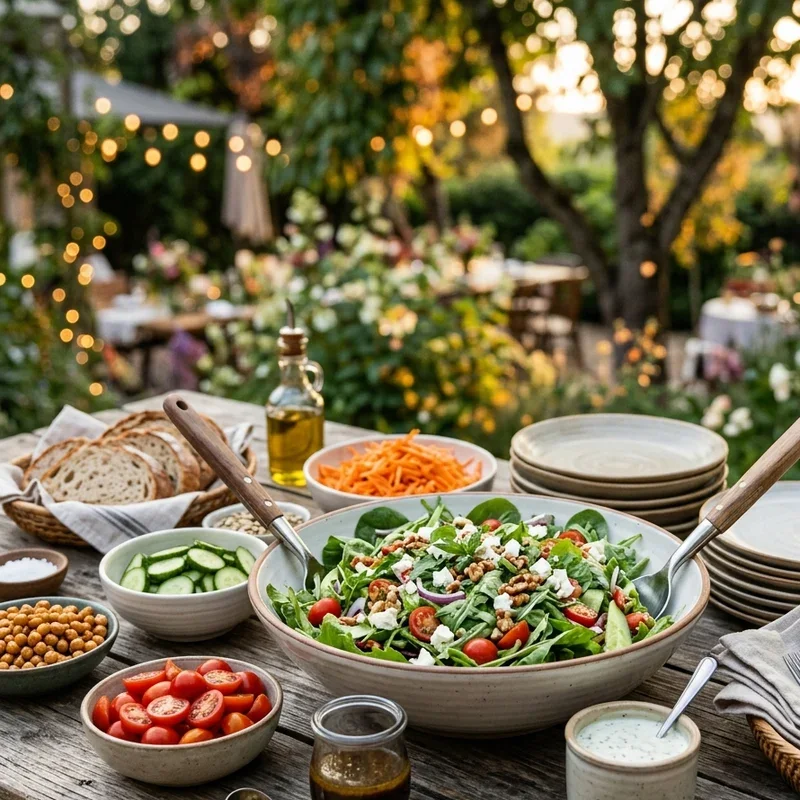
Let us talk about something that sounds deceptively simple but trips up even the most experienced hosts. Serving salad at a party. You might be thinking, "Come on, it is just salad. Toss some greens in a bowl and call it a day." And sure, you could do that. But if you have ever watched a beautifully prepped salad turn into a sad, soggy, wilted mess halfway through your dinner party, you know there is a lot more to it than just dumping ingredients into a dish and hoping for the best.
The truth is, salad is one of the trickiest dishes to serve well at a gathering. It is sensitive to timing, temperature, and moisture. It needs to look appetizing for hours, not just the first five minutes. And it has to accommodate a room full of people with different tastes, dietary restrictions, and opinions about what belongs on a plate of greens. That is a tall order for a bunch of lettuce and vegetables, if you ask me.
That is why understanding "How to Serve Salad at a Party the Right Way" can genuinely elevate your hosting game. A perfectly executed salad station or beautifully plated salad course tells your guests that you care about every detail, not just the main event. And honestly, when the salad is done right, it often ends up stealing the show entirely. So let us dig into everything you need to know to make your party salad absolutely unforgettable.
Why Salad Deserves More Respect at Parties
Here is a little secret that professional caterers know but most home cooks overlook. Salad is often the dish guests remember most fondly from a party, especially when it is done well. In a world of heavy appetizers, rich main courses, and decadent desserts, a fresh, vibrant, well-dressed salad is like a breath of fresh air on the table. It provides balance, it refreshes the palate, and it gives your health-conscious guests something to actually enjoy rather than just politely nibble on.
But beyond the practical reasons, there is a visual element that makes salad incredibly valuable at a party. A gorgeous salad with colorful vegetables, scattered herbs, toasted nuts, and a glossy dressing is genuinely one of the most photogenic dishes you can put on a table. In the age of Instagram and food photography, that kind of visual appeal matters more than you might think.
Salad also happens to be one of the most inclusive dishes you can offer. With a little planning, it can accommodate vegetarians, vegans, gluten-free eaters, dairy-free guests, and people watching their calorie intake. Try doing that with a lasagna or a roast chicken. It is not impossible, but it is a whole lot harder.
So yeah, salad deserves your attention and your best effort. And when you put that effort in, the payoff is huge.
How to Serve Salad at a Party the Right Way: Planning and Prep
Great party salad starts long before anyone rings your doorbell. The planning and preparation phase is where you set yourself up for success or failure, and getting it right makes everything else fall into place.
Choose the Right Type of Salad for Your Event
Not every salad works for every party, and the style of your event should dictate what kind of salad you serve. A casual backyard barbecue calls for a completely different approach than a formal sit-down dinner, and a cocktail party has its own set of requirements entirely.
For casual gatherings and buffet-style parties, hearty grain salads, pasta salads, and chopped salads are your best friends. These salads hold up well at room temperature for extended periods, they are easy to serve on a buffet line, and they taste great even after sitting out for a while. Think Mediterranean couscous salad, Southwest black bean and corn salad, or a classic Italian pasta salad loaded with vegetables and a tangy vinaigrette.
For formal dinner parties, a plated salad course gives you much more control over presentation and timing. You can compose each plate individually, ensuring every guest gets a perfectly arranged salad with the ideal ratio of greens, toppings, and dressing. This approach takes more work, but the result is elegant and impressive.
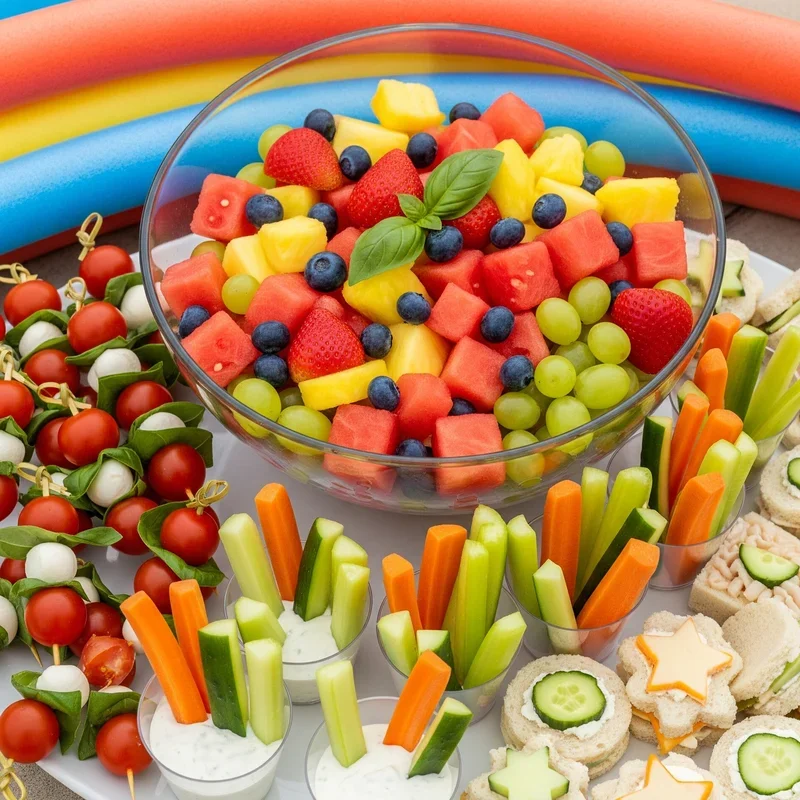
For cocktail parties and standing receptions, think about salads that can be served in individual portions. Mini mason jar salads, salad cups, endive leaves filled with composed salads, or skewered caprese bites all work beautifully in a mingling environment where people are eating with one hand and holding a drink with the other.
Pick Ingredients That Hold Up Over Time
This right here is where so many party salads go wrong. Choosing delicate, wilt-prone ingredients that look gorgeous for exactly seven minutes and then collapse into a sad puddle of mush on the serving table. If your salad needs to last through a party, you need to build it with durability in mind.
Sturdy greens are your foundation. Forget about tender butter lettuce and delicate mesclun mix for a party setting. Go with romaine, kale, shredded cabbage, arugula, or a hearty spring mix that can handle sitting out without turning to slime. These greens maintain their texture and crunch far longer than their more delicate cousins.
Vegetables should be chosen for staying power as well. Cherry tomatoes, cucumbers, bell peppers, radishes, shaved carrots, and red onion all hold up beautifully over time. Avocado, on the other hand, browns quickly once cut and is best added at the last minute or offered as a separate topping.
Toppings like toasted nuts, seeds, crumbled cheese, dried cranberries, and croutons add texture and flavor, but some of them suffer when exposed to moisture. Keep crunchy toppings separate and let guests add them at the time of serving. Nobody wants a soggy crouton. That is just depressing.
Prep Smart and Stay Organized
The key to stress-free party salad prep is doing as much work ahead of time as possible while saving the final assembly for the last moment. Here is a timeline that works beautifully for most party situations.
Two days before the party, shop for all your ingredients, make your dressing, and prep any components that store well like cooked grains, roasted vegetables, or marinated beans. Homemade dressings actually taste better after a day or two in the fridge as the flavors meld together.
The day before, wash and dry your greens thoroughly. And when I say thoroughly, I mean obsessively. Moisture is the number one enemy of a party salad. Wet greens wilt faster, dilute the dressing, and create that unappetizing puddle of liquid at the bottom of the bowl that makes everyone lose their appetite. Use a salad spinner, pat everything dry with clean towels, and store the greens in airtight containers lined with paper towels to absorb any residual moisture.
The morning of the party, chop your vegetables, crumble your cheese, toast your nuts, and organize everything into separate containers. Think of it like a mise en place for your salad station. When everything is prepped and portioned, the final assembly takes just a few minutes.
Within thirty minutes of serving, toss the greens with a light coating of dressing, arrange the toppings, and get the salad to the table while it is still looking its absolute best. Timing this step right is the difference between a salad that wows and a salad that disappoints.
The Dressing Dilemma: To Pre-Dress or Not to Pre-Dress
If there is one question that sparks heated debate among party planners and home cooks, it is whether to dress the salad before serving or let guests dress their own. And honestly, there is no single right answer. It depends on the type of salad, the type of party, and your personal hosting style.
When to Pre-Dress the Salad
Certain salads actually benefit from being dressed ahead of time. Grain salads, bean salads, pasta salads, and slaws all taste better after the dressing has had time to soak into the ingredients. The flavors develop and deepen, and the texture improves as everything marinates together.
Kale salads are another great candidate for pre-dressing. The acid and oil in the dressing break down the tough kale fibers, making the leaves more tender and flavorful. A kale salad that has been dressed and massaged thirty minutes before serving tastes dramatically better than one that was just tossed.
If you are doing a plated salad course at a dinner party, pre-dressing gives you complete control over how much dressing each plate gets. You can ensure the perfect ratio of dressing to greens without leaving it up to guests who might drown their salad or barely dress it at all.
When to Serve Dressing on the Side
For buffet-style parties where the salad will be sitting out for an extended period, serving the dressing on the side is almost always the smarter move. This lets guests dress their own portions and keeps the remaining salad in the bowl fresh and crisp for latecomers.
Offering dressing on the side also accommodates guests with dietary restrictions or preferences. Someone who is dairy-free can skip the creamy ranch, and someone watching their fat intake can use a lighter hand with the vinaigrette. It is a small courtesy that makes a big difference for people who feel self-conscious about modifying dishes at someone else's party.
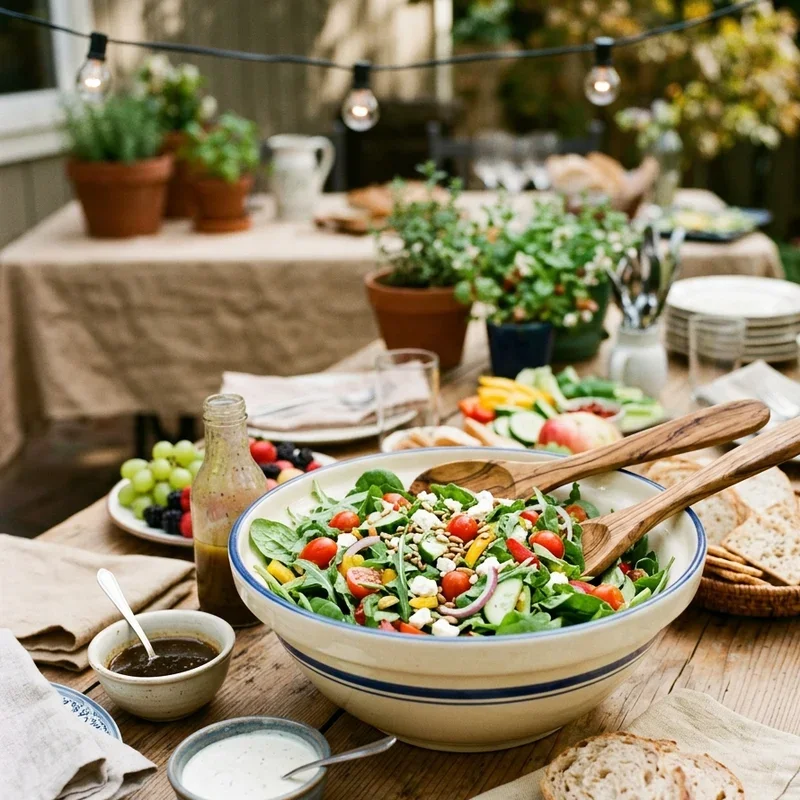
When you do serve dressing on the side, presentation matters. Pour the dressing into an attractive serving vessel with a small ladle or spoon. A beautiful ceramic pitcher or a glass cruet looks much more appealing than a plastic bottle of store-bought dressing sitting next to the salad bowl. Little details like this elevate the entire table.
The Best of Both Worlds
Here is a pro tip that caterers use all the time. Lightly dress the salad with about half the amount of dressing you would normally use, then put the remaining dressing on the side for guests who want more. This ensures the salad has flavor from the moment it hits the table but gives people the option to customize their portion. It is the best of both worlds, and honestly, it is the approach I recommend for most party situations.
How to Serve Salad at a Party the Right Way: Presentation Tips
Alright, your salad is prepped, your dressing is ready, and the party is about to start. Now let us talk about making that salad look absolutely stunning on the table. Because presentation is not just about aesthetics. It actually affects how much people enjoy the food. Studies have shown that beautifully presented dishes taste better to people, even when the actual ingredients are identical. So a little effort on the visual front pays off in a big way.
Choose the Right Serving Vessel
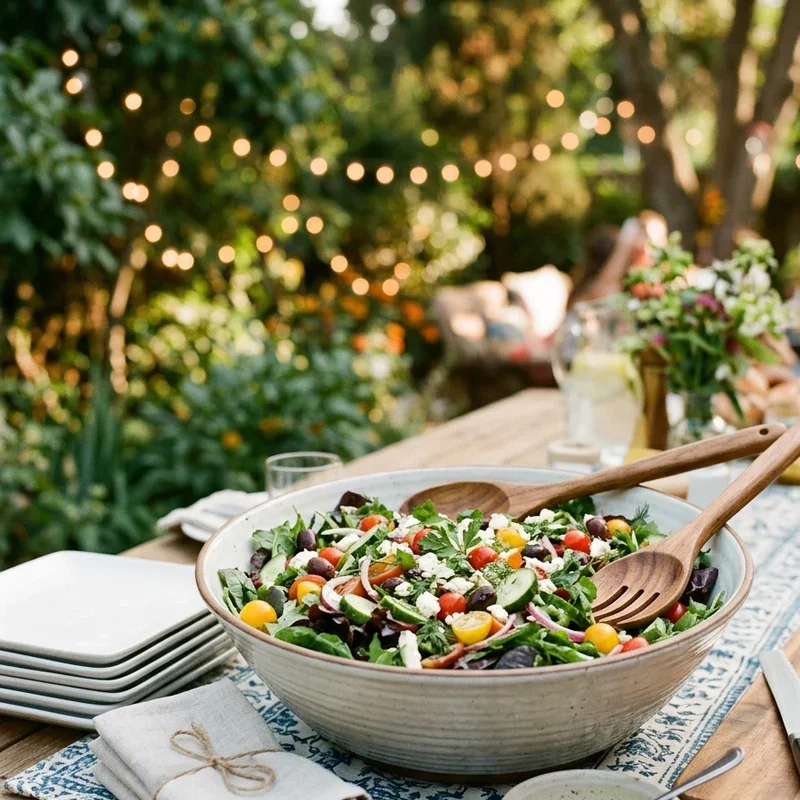
The bowl or platter you use makes a bigger impact than you might think. A gorgeous wooden salad bowl adds warmth and a rustic touch. A large white ceramic platter makes the colors of the vegetables pop. A clear glass bowl shows off all the layers and textures of the salad beautifully.
Whatever vessel you choose, make sure it is big enough. Overcrowding the bowl makes the salad look messy, makes it harder for guests to serve themselves, and causes delicate greens to get crushed under the weight of toppings. Your serving bowl should be large enough that the salad fills it about two-thirds of the way, leaving room for tossing and serving without spillover.
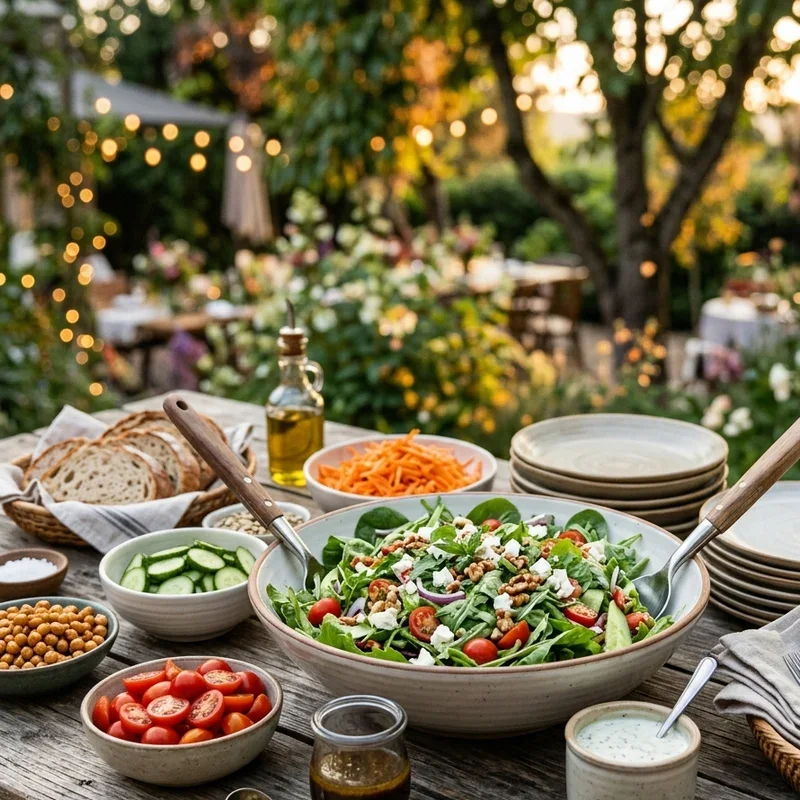
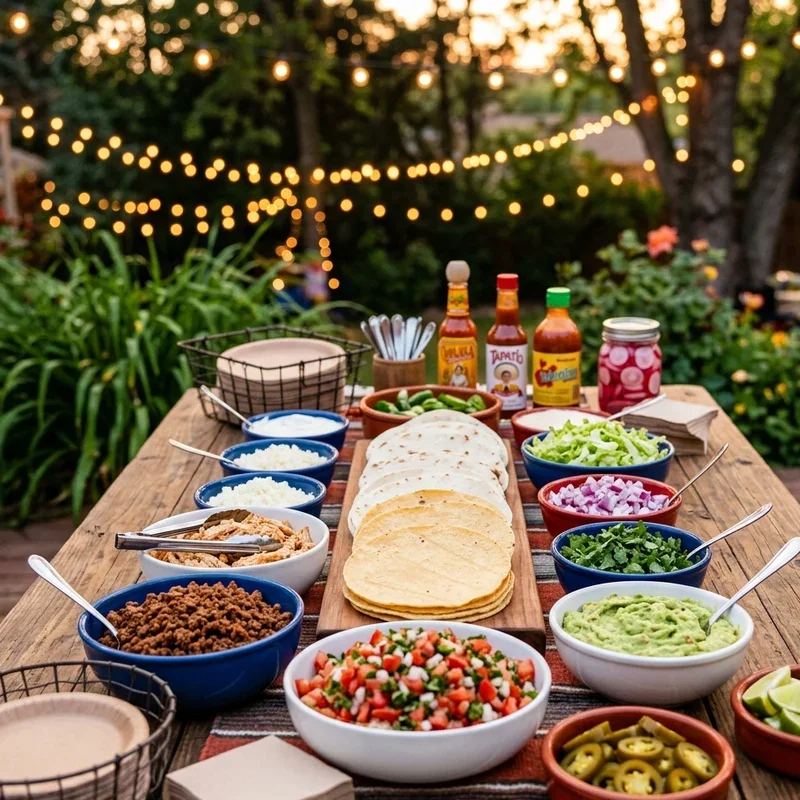
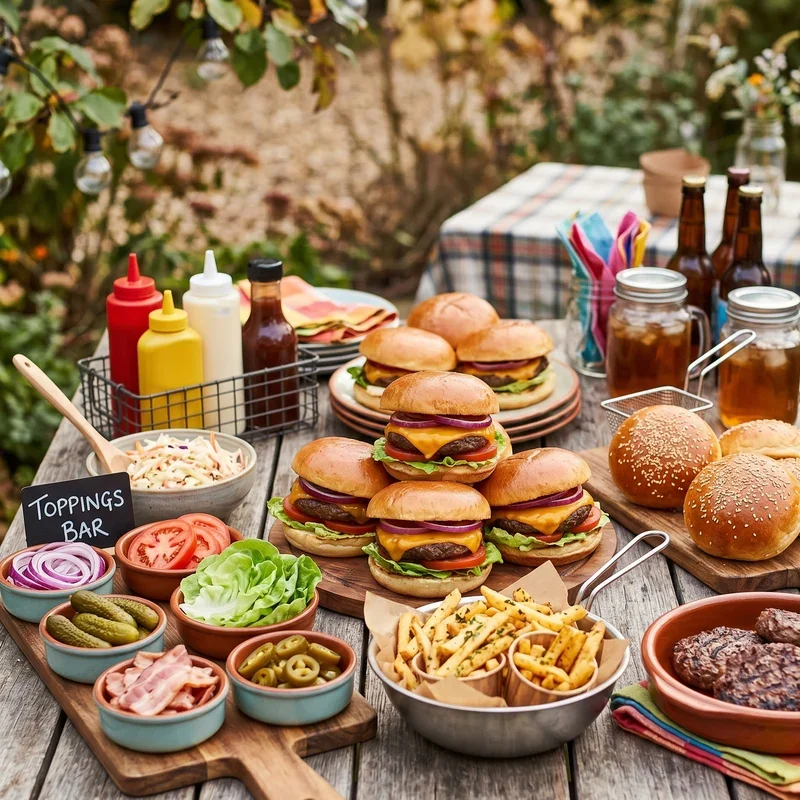
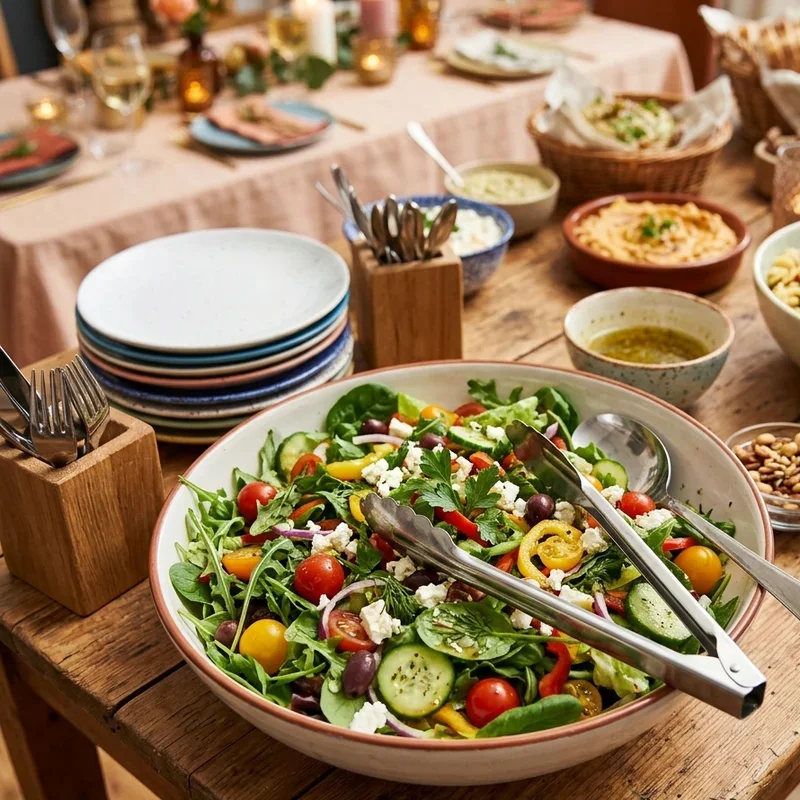
For a salad bar or build-your-own-salad setup, use a variety of small bowls and dishes for the individual toppings. Matching dishes create a cohesive, polished look, while an eclectic mix of dishes can feel charming and casual for a more laid-back gathering. Either approach works, as long as each component has its own clearly identifiable container.
Layer and Arrange With Purpose
Do not just dump everything into the bowl and call it done. A little intentional arranging goes a long way toward making your salad look restaurant-quality.
Start with the greens as your base, fluffed and lightly mounded in the center of the bowl. Then arrange your toppings in sections or clusters around and on top of the greens. Group similar colors together, create contrast by placing bright vegetables next to darker ones, and scatter small, colorful items like pomegranate seeds or edible flowers as finishing touches.
Height matters in food presentation. Build the salad up rather than pressing it flat. A salad with some vertical dimension looks more abundant, more appetizing, and more exciting than one that lies flat in the bowl like it has given up on life.
If you are doing individual plated salads, treat each plate like a small canvas. Place the greens off-center rather than dead middle, lean toppings against each other to create height, and drizzle dressing artistically rather than pooling it in one spot. A few drops of balsamic reduction around the edge of the plate adds a professional touch that takes literally five seconds.
Garnish Like a Pro
Never underestimate the power of a well-placed garnish. Fresh herbs scattered across the top of a salad add color, fragrance, and a touch of sophistication. Basil leaves, dill fronds, chive blossoms, and microgreens all make beautiful finishing touches.
A dusting of flaky sea salt and freshly cracked black pepper right before serving adds visual interest and a subtle flavor boost. Shaved Parmesan curls draped over the top catch the light and signal quality. A handful of edible flowers turns any salad into a showpiece.
The key with garnishing is restraint. A few thoughtful touches elevate the salad. Too many competing garnishes make it look cluttered and busy. Think of garnishes as accessories. A statement necklace and a pair of earrings look great. Adding a scarf, a brooch, three bracelets, and a tiara does not.
Keeping the Salad Fresh Throughout the Party
One of the biggest challenges of serving salad at a party is keeping it looking and tasting fresh as the hours tick by. Here are some tricks the pros use to keep things crisp and vibrant from the first guest to the last.
Chill your serving bowl before loading it up. A cold bowl keeps the greens at a lower temperature, which slows wilting. Just pop the empty bowl in the fridge for thirty minutes before you plan to assemble the salad.
If your party is outdoors, place the salad bowl inside a larger bowl filled with ice. This creates a makeshift cold station that keeps the temperature down without any special equipment. Refresh the ice as needed throughout the event.
Consider putting out a smaller portion of salad initially and replenishing from a reserve batch kept in the fridge. This is how catering companies handle it, and it ensures the salad on the table is always fresh while reducing waste. Nobody wants to eat from a bowl that has been sitting out for three hours, no matter how good the salad was at the start.
Keep a clean pair of tongs or serving utensils with the salad at all times. Guests reaching in with their hands or using utensils from other dishes introduces cross-contamination and speeds up the decline of the salad. A dedicated set of salad servers keeps things hygienic and presentable.
Portion Planning: How Much Salad Do You Actually Need
Getting the portions right saves you from two equally frustrating outcomes: running out of salad halfway through the party, or being stuck with enough leftover lettuce to feed a family of rabbits for a week.
As a general guideline, plan for about one and a half to two cups of salad per person if it is being served as a side dish. If the salad is the main course or one of only a few dishes at the party, bump that up to three or four cups per person.
For a build-your-own salad bar, estimate about two cups of greens per person and a quarter cup each of three to four toppings. People tend to pile on the toppings at a salad bar, so it is better to have a little extra than to run short on the good stuff.
Always make slightly more dressing than you think you will need. Running out of dressing is one of those small disasters that is surprisingly annoying for guests. A little extra vinaigrette is cheap insurance against an undressed salad situation.
Dietary Considerations and Accommodation
A thoughtful host anticipates the dietary needs of their guests, and salad is one of the easiest dishes to make inclusive with a little advance planning.
Label your salad and toppings clearly if you are running a buffet or salad bar. Small tent cards listing the ingredients help guests with allergies or restrictions identify what they can and cannot eat without having to awkwardly interrogate the host mid-party.
Common allergens to watch for include nuts, dairy, gluten from croutons, and shellfish in seafood salads. Keeping these ingredients on the side rather than mixed into the main salad lets sensitive guests enjoy the base salad safely.
Offering at least one dressing option that is vegan and gluten-free ensures that your plant-based and celiac guests are not left with a plate of dry greens. A simple lemon vinaigrette or olive oil and balsamic combination covers most dietary bases and tastes fantastic to boot.
If you know a guest has a specific allergy or restriction, make a small separate portion of salad that is safe for them. This tiny gesture of care means the world to someone who is used to navigating food anxiety at social events. It takes five extra minutes and creates a lasting impression of genuine hospitality.
Salad Styles That Are Perfect for Parties
Some salads are simply better suited for party settings than others. Here are a few styles that consistently work well for gatherings of all sizes.
A big, bold chopped salad with lots of colorful vegetables, chickpeas, cheese, and a zesty dressing is practically foolproof for casual parties. Everything is cut to a uniform size, making it easy to serve and eat, and the robust ingredients hold up well over time.
A classic Caesar salad is always a crowd-pleaser and works beautifully as a plated course at dinner parties. The sturdy romaine leaves, rich dressing, and crunchy croutons create a combination that nearly everyone loves.
Mediterranean salads with cucumbers, tomatoes, olives, feta, and a lemon-herb dressing are incredibly fresh and pair well with almost any main course. They also happen to travel well and taste great at room temperature, making them ideal for outdoor events.
An Asian-inspired salad with shredded cabbage, edamame, mandarin oranges, crispy wonton strips, and sesame ginger dressing brings something unexpected to the table. The flavors are bold and refreshing, and the crunchy texture holds up much longer than traditional leafy salads.
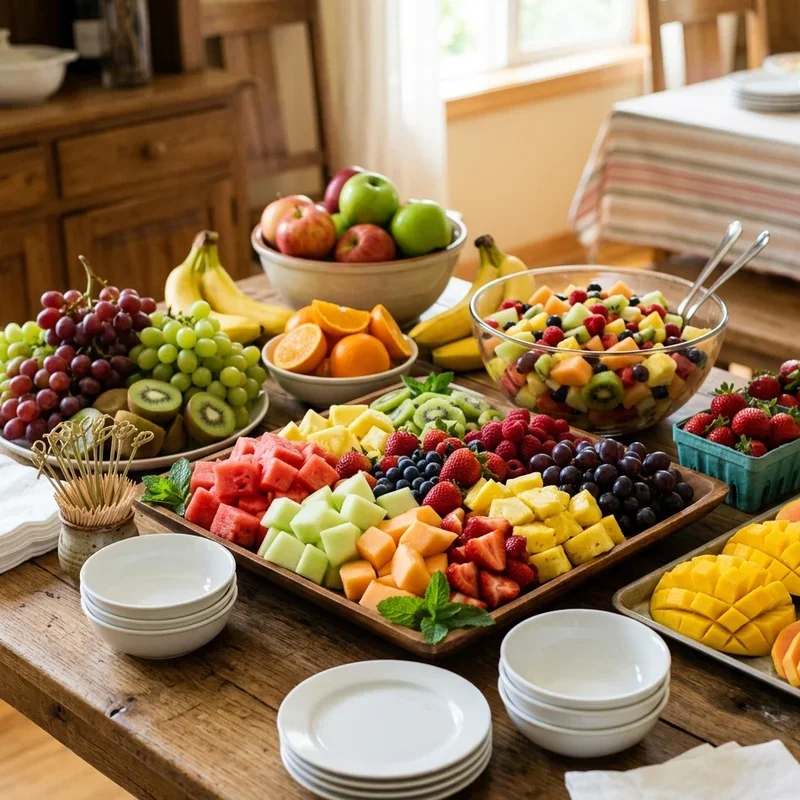
Fruit salads with a honey-lime dressing or a mint-infused syrup offer a sweet, refreshing alternative that works as both a side dish and a light dessert. They are especially popular at brunch parties, baby showers, and summer celebrations.
Common Mistakes to Avoid When Serving Party Salad
Even experienced hosts make salad missteps at parties. Here are the most common blunders and how to sidestep them.
Dressing the salad too early is the number one killer of party salads. Once dressed, leafy greens begin to wilt within minutes. Unless you are working with a sturdy grain or pasta salad that benefits from marinating, hold off on the dressing until the very last possible moment.
Using a bowl that is too small creates a cramped, messy presentation that makes the salad hard to serve and unappealing to look at. Always go bigger than you think you need. A spacious bowl makes even a simple salad look abundant and inviting.
Forgetting serving utensils seems like an obvious oversight, but it happens at parties all the time. Make sure there is a proper pair of salad tongs, forks, or servers sitting right next to the bowl before guests start lining up.
Not accounting for temperature is another common issue. A salad sitting in direct sunlight on a hot patio table will wilt in record time. Position your salad in a shaded area, use ice bowls for outdoor events, and refresh the display regularly from your backup stash in the fridge.
Overcomplicating the salad with too many ingredients can actually backfire. When there are fifteen different toppings competing for attention, the salad becomes a confusing jumble rather than a cohesive dish. Stick to a clear flavor profile with five to seven well-chosen components and let each one shine.
Conclusion
Serving salad at a party might seem straightforward, but doing it well takes thoughtful planning, smart ingredient choices, and attention to timing and presentation. From choosing greens that hold up over time to keeping dressings on the side for maximum freshness, every small decision contributes to a salad that impresses your guests and complements the rest of your menu. Master these fundamentals, and your party salad will go from afterthought to showstopper, earning you the reputation of a host who truly knows how to put a spread together.
Frequently Asked Questions
1.How far in advance can I prepare salad for a party?
Wash and dry greens one day ahead, but assemble and dress the salad within thirty minutes of serving.
2.What is the best type of lettuce for a party salad?
Romaine, kale, and shredded cabbage hold up best over time compared to delicate greens like butter lettuce.
3.How much salad should I make per person at a party?
Plan roughly two cups per person for a side salad and four cups if salad is the main dish.
4.Should I dress the salad before putting it on the buffet table?
For buffets, serve dressing on the side so greens stay crisp and guests can customize their own portions.
5.How do I keep salad fresh during an outdoor summer party?
Nest the salad bowl inside a larger bowl filled with ice and replenish from a refrigerated backup batch.
Stay up to date with our latest ideas!