What Is a Private Party? Simple Explanation
Curious about private parties? Here's a simple explanation covering definitions, examples, perks, and everything you need to know.

Ever been invited to something labeled a "private party" and wondered what that actually means? You're definitely not alone. The term gets tossed around everywhere, from legal documents to birthday invites, and honestly, it can feel a bit confusing at first glance. Whether you're planning an event, buying a car, or just trying to make sense of a Facebook invitation, understanding this concept matters more than you'd think. So, let's break it down together in plain English without the jargon or the headaches.
What Is a Private Party? Simple Explanation of the Basics
At its core, a private party refers to a gathering or transaction that isn't open to the general public. Think of it as something invite-only, where the host decides who gets through the door. Unlike public events where anyone can walk in, these gatherings have clear boundaries about who belongs and who doesn't.
The term actually pops up in two major contexts. First, there's the social angle, meaning private parties like weddings, birthdays, or corporate retreats. Second, there's the transactional side, which refers to individual buyers or sellers in business deals, especially when you're dealing with cars, real estate, or personal property. Both share one key trait though: they operate outside the realm of public access.
The Social Side of Private Parties
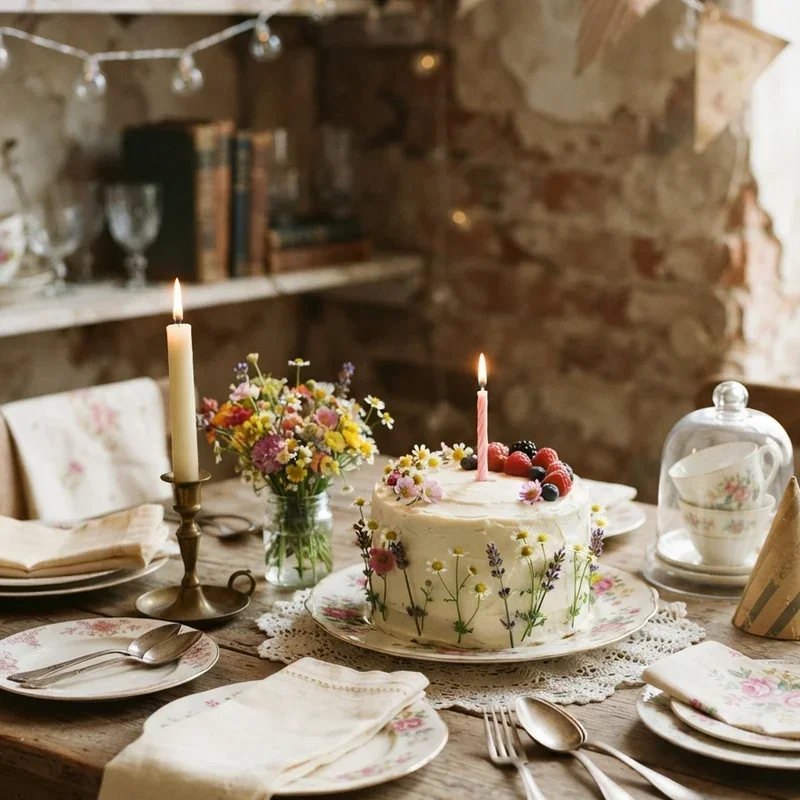
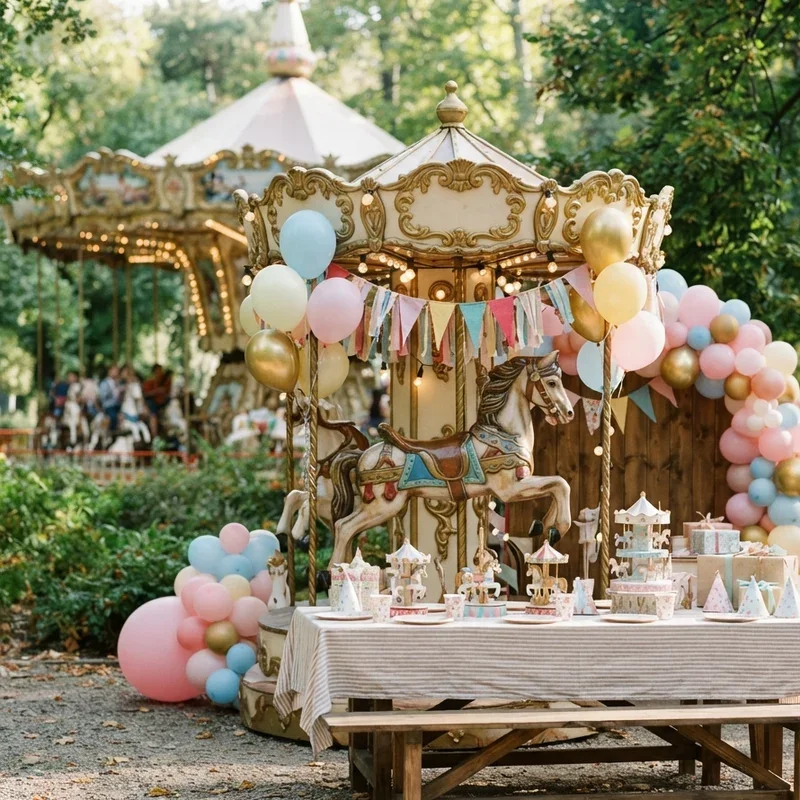
When most folks hear "private party," their minds jump straight to celebrations. And rightfully so! These events range from intimate dinners to massive blowouts, but they all share that exclusive vibe.
Picture this scenario. Your cousin rents out a rooftop venue for her 30th birthday bash. She sends out invitations to 50 close friends, and nobody else can just waltz in off the street. That's a textbook private party right there. The venue might be public property, but the event itself? Totally locked down to invited guests only.
Common Types of Private Social Gatherings
Private parties come in all shapes and sizes, each with its own flavor:
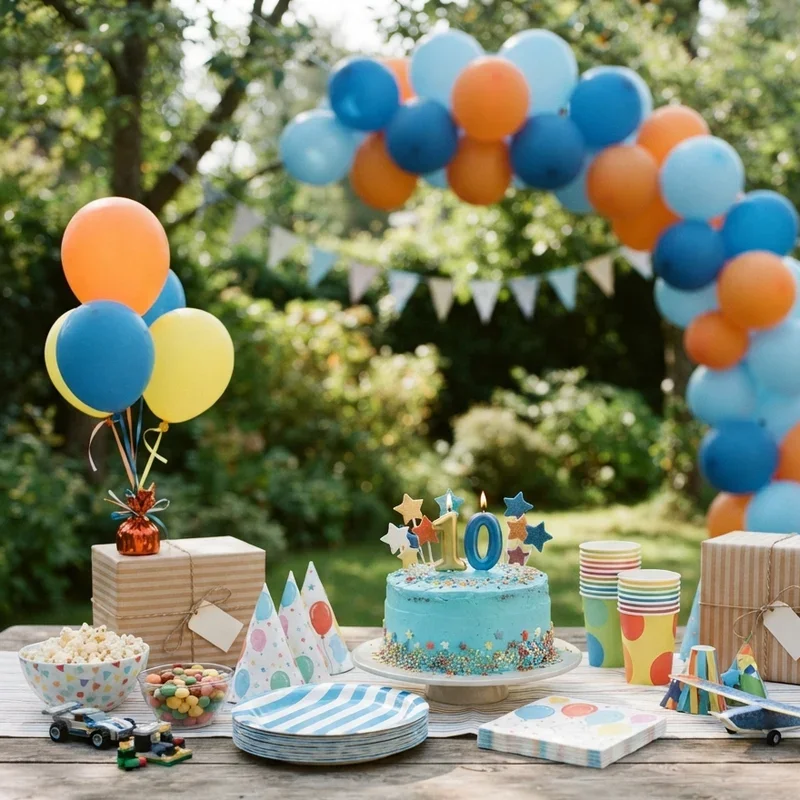
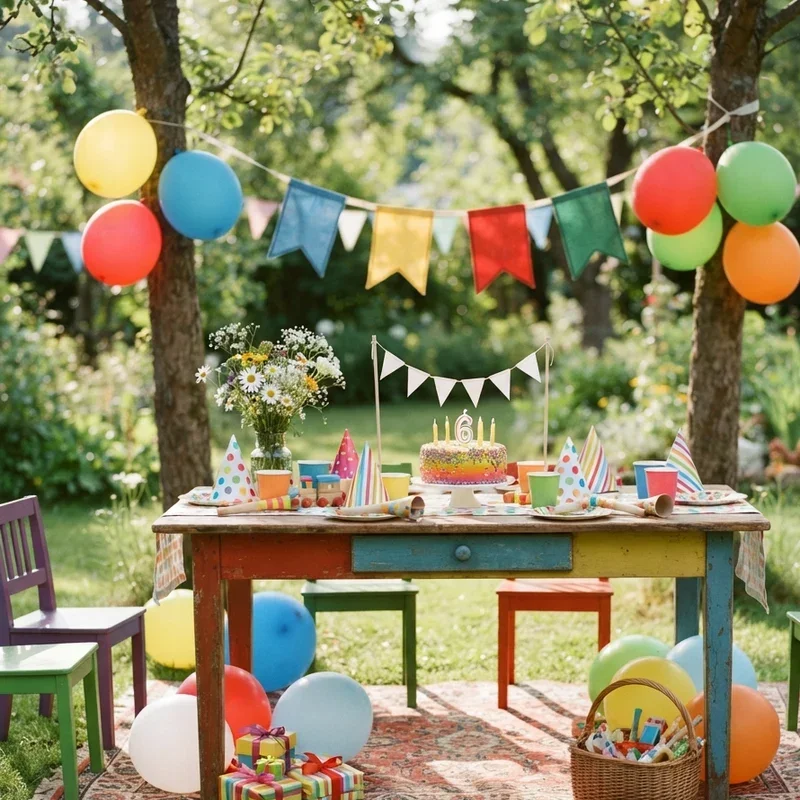
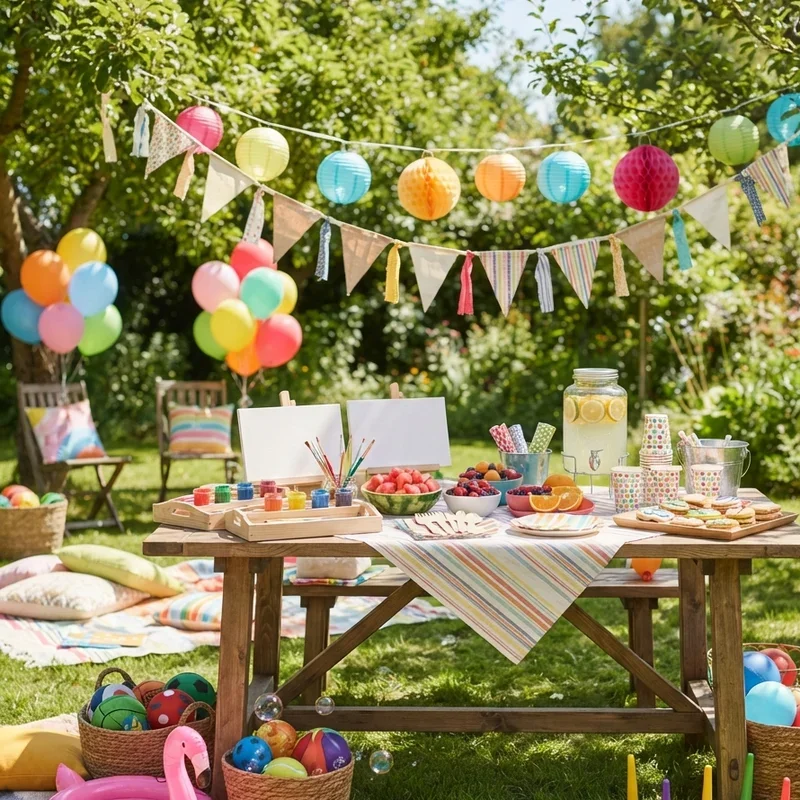
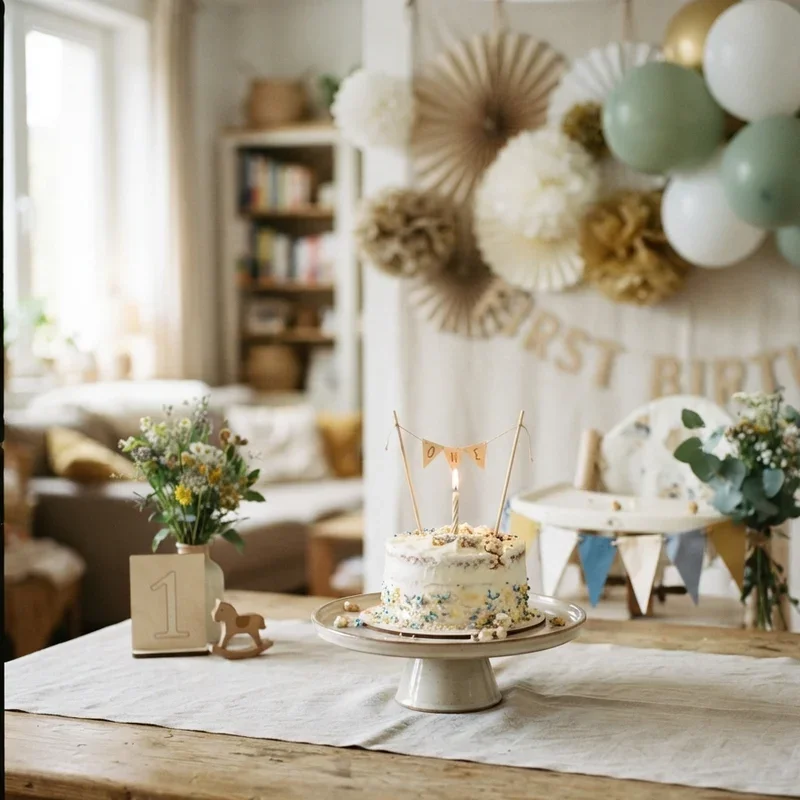
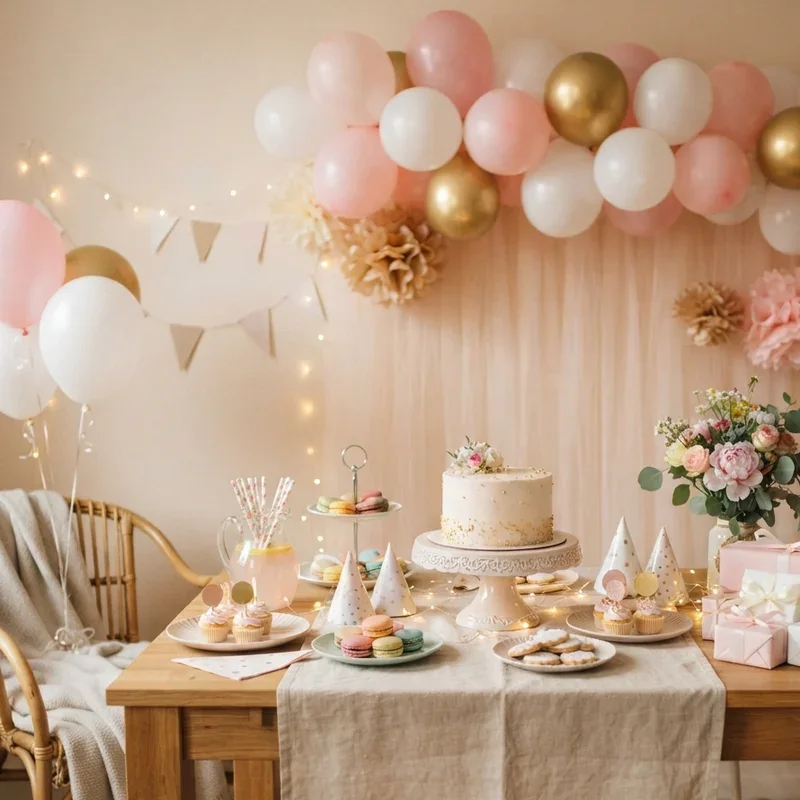
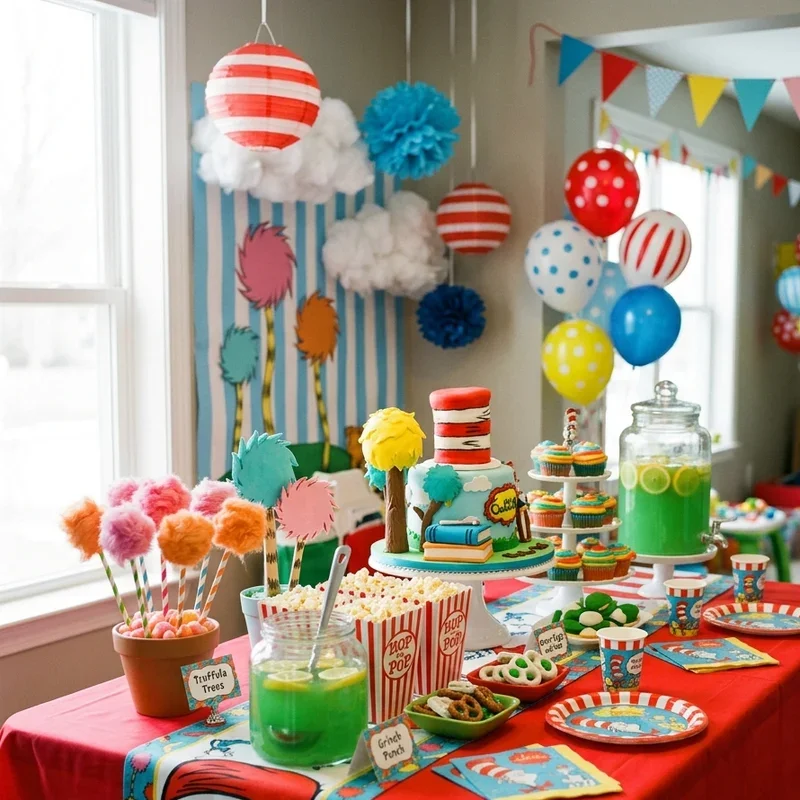
Birthday celebrations ranging from kid-friendly bounce house affairs to adult cocktail nights
Wedding receptions and rehearsal dinners with tightly controlled guest lists
Corporate events like holiday parties, product launches, or team-building retreats
Anniversary celebrations marking milestones big and small
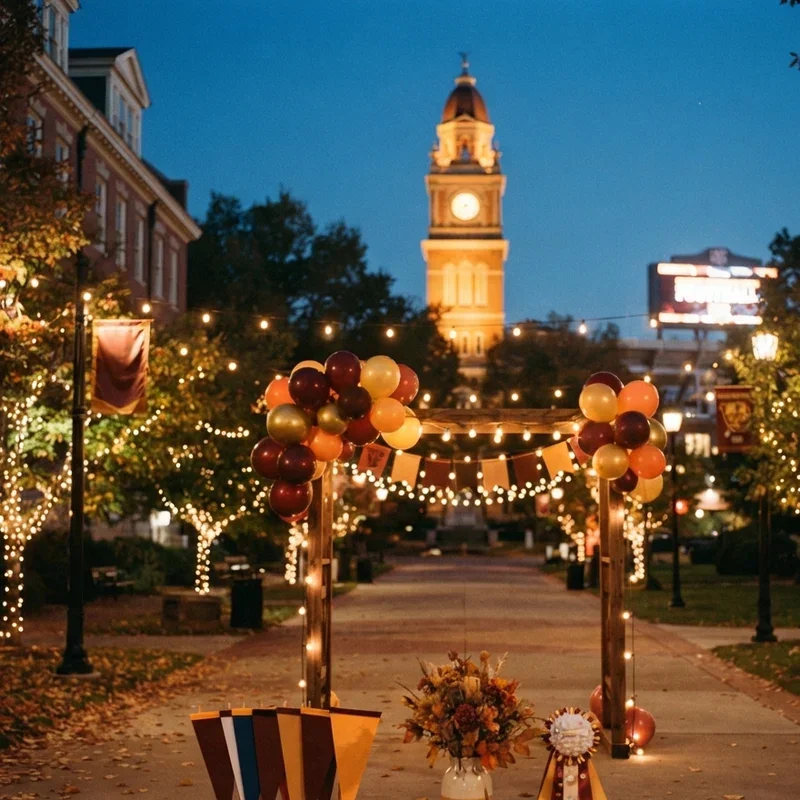
Graduation parties honoring academic achievements
Holiday gatherings including Christmas Eve dinners or Thanksgiving feasts
Baby showers and gender reveal parties welcoming new arrivals
Retirement parties celebrating the end of a long career
Honestly, pretty much any social event can transform into a private party if the host limits attendance. It's less about the occasion itself and more about how access gets controlled.

What Is a Private Party? Simple Explanation for Business Transactions
Now here's where things get interesting. Beyond the social scene, "private party" carries serious weight in the world of buying and selling. This usage pops up constantly in classified ads, auto transactions, and real estate deals.
In transactional terms, a private party is basically an individual person doing business directly with another individual, cutting out middlemen like dealerships or brokerages. You've probably seen listings that say "private party sale" or "sold by owner." These phrases signal that you're buying from a regular person rather than a commercial entity.
Why This Distinction Actually Matters
The difference between private party sales and commercial transactions isn't just semantics. It affects pricing, warranties, negotiations, and even legal protections. When you buy a used car from a dealer, you typically get some level of warranty coverage and consumer protection. Buy that same car from your neighbor, and you're usually on your own once the keys change hands.
That said, private party transactions often come with sweeter price tags. Dealers need to mark up inventory to cover overhead, staff, and profit margins. Individual sellers? They just want fair market value without all that extra padding.
Key Characteristics That Define Private Parties
Whether we're talking social events or business deals, certain features pop up consistently. Understanding these helps you spot a private party situation when you encounter one.
Controlled access means only specific people can participate or attend
No public advertising in most cases, since invitations go out through personal channels
Host discretion over who's welcome and who isn't
Private venue usage or private arrangements even at public locations
Limited liability compared to commercial or public events
Personal relationships typically drive the guest list or transaction
Customized experiences tailored to specific preferences rather than mass appeal
These elements work together to create that distinctive "private" feeling, whether you're sipping champagne at a wedding or shaking hands over a used motorcycle sale.
The Legal Angle Nobody Talks About
Okay, let's get a little serious for a minute. Private parties carry legal implications that many people overlook until something goes sideways. Hosting or participating in one means understanding certain responsibilities.
For social gatherings, hosts have what's called "social host liability" in many jurisdictions. If you serve alcohol at your private party and a guest causes harm afterward, you might face legal consequences. Scary stuff, right? That's why smart hosts arrange transportation options or cut off drinks well before the party wraps up.
On the transaction side, private party sales typically happen "as-is," meaning the buyer accepts the item in its current condition. This differs dramatically from commercial sales, which usually include implied warranties. Without a written agreement spelling out terms, disputes can get messy fast.
Advantages of Going the Private Party Route
So why choose private over public? Turns out, there are loads of benefits worth considering.
For social events, you get total control over the atmosphere. No random strangers crashing your vibe, no unwanted drama, no awkward encounters with people you'd rather avoid. Plus, you can customize everything from the music playlist to the menu without worrying about pleasing a diverse public crowd.
Financially speaking, private venues often cost less than renting public spaces with all their associated fees and restrictions. Many hosts simply use their own homes, which eliminates venue costs entirely.
When it comes to buying or selling, private party transactions frequently save everyone money. Sellers pocket more cash without paying commission fees, while buyers snag deals below dealer retail prices. Win-win, basically.
Potential Drawbacks Worth Considering
But hold up, it's not all sunshine and rainbows. Private parties come with their own set of challenges that deserve honest discussion.
Organizing a private social event means handling every detail yourself. Caterers, decorations, entertainment, cleanup: all falls on the host's shoulders. That level of responsibility can get overwhelming quickly, especially for larger gatherings.
Private party transactions lack the safety nets that commercial deals provide. No return policies, no customer service hotlines, no dispute resolution departments. If something goes wrong with that used camera you bought on Craigslist, good luck getting your money back without a serious fight.

What Is a Private Party? Simple Explanation of How to Host One
Thinking about throwing your own private shindig? Here's a quick rundown of the essentials.
Planning Your Private Gathering
First things first, nail down the basics. Decide on a date, time, and location that works for your intended guests. Create a guest list that matches your venue capacity and your personal preferences. Nobody wants 100 people crammed into a studio apartment, trust me.
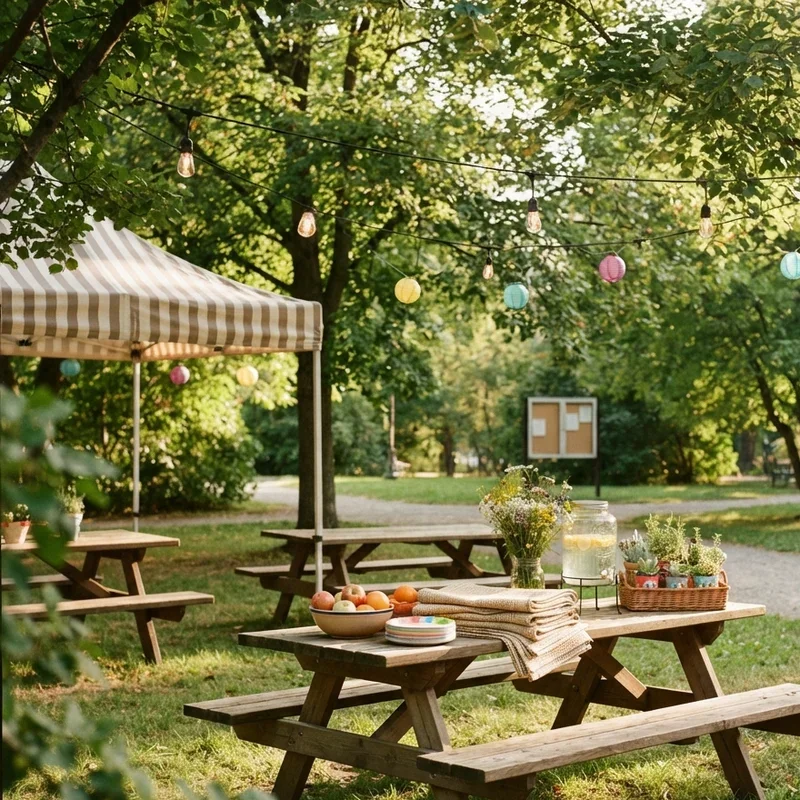
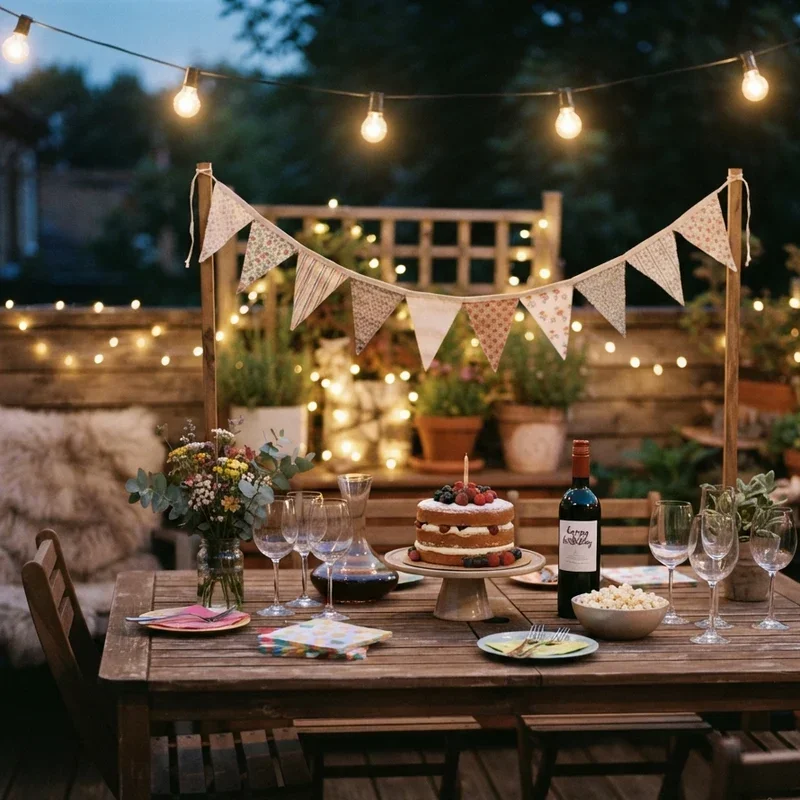
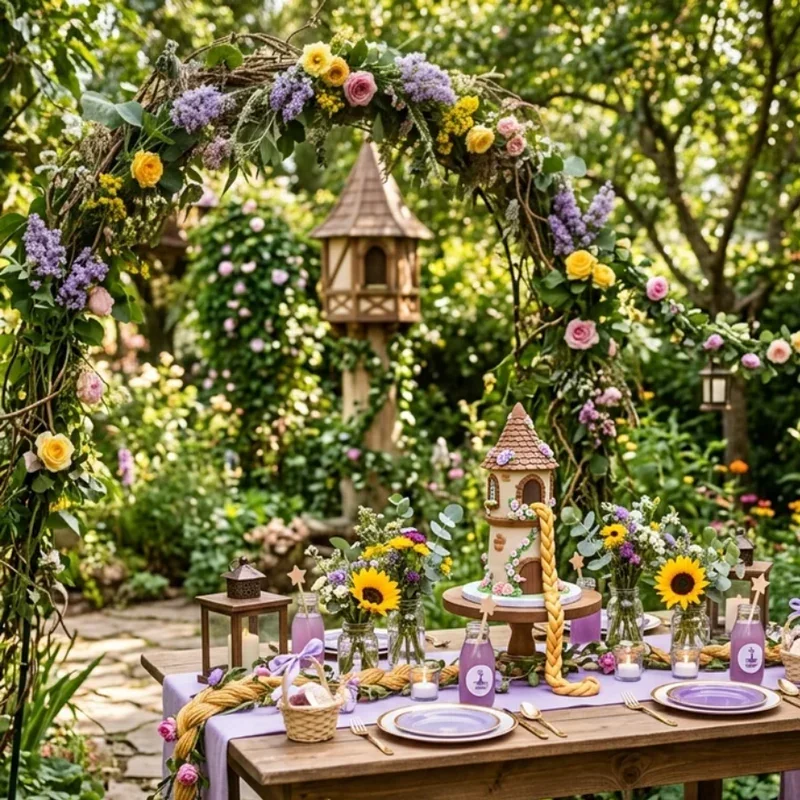
Next, think about the vibe you're going for. A chill backyard barbecue requires completely different planning than a black-tie dinner party. Your theme, if you have one, should guide decisions about food, drinks, decorations, and even dress code.
Sending Invitations the Right Way
Invitations can be as formal or casual as your event demands. Traditional paper invites still have their place for weddings and fancy affairs, but digital invitations work perfectly for most casual gatherings nowadays. Services like Evite, Paperless Post, or even simple group texts can get the job done efficiently.
Include all the crucial details: date, time, location, dress code if applicable, and RSVP information. Giving guests at least two to three weeks notice lets them plan accordingly, though weddings typically require much longer lead times.
Managing the Guest Experience
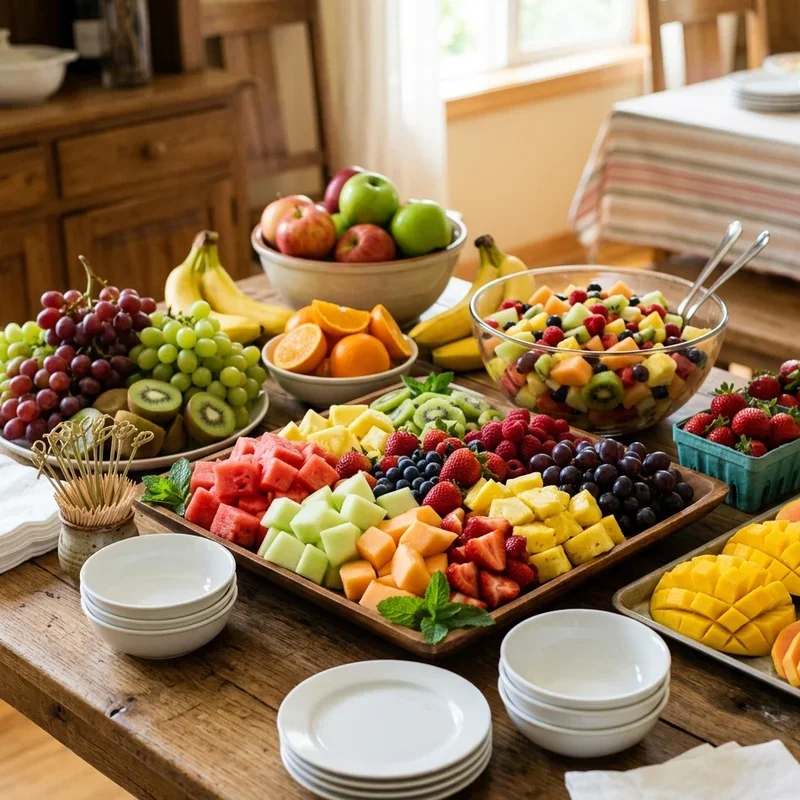
Great hosts anticipate their guests' needs before anyone has to ask. Provide clear parking instructions, plenty of seating, accessible bathrooms, and thoughtful food options that accommodate dietary restrictions. Little touches like these transform a decent party into a memorable one.
Private Parties in Different Industries
Interestingly enough, various industries use the private party concept differently. Let's explore how this term plays out across different sectors.
In the automotive world, Kelley Blue Book and similar services actually distinguish between "private party value" and "dealer retail value" when pricing vehicles. Private party value represents what you'd reasonably expect to pay another individual for the same car, typically running a few thousand dollars less than dealer prices.
Real estate transactions sometimes happen between private parties too, often called "For Sale By Owner" or FSBO deals. These sellers bypass traditional realtor commissions, which can add up to significant savings on both sides of the transaction.
The hospitality industry embraces private parties enthusiastically. Restaurants, hotels, and event spaces often offer private dining rooms, exclusive buyout options, or dedicated event coordinators who specialize in hosting these gatherings.
Cultural Variations Around the Globe
Different cultures approach private parties with their own unique flair, and it's fascinating to see how traditions vary.
Japanese enkai gatherings combine professional networking with private celebration, often featuring specific drinking customs and seating arrangements. Latin American quinceañeras turn 15th birthdays into massive private celebrations with deep cultural significance. European wedding receptions sometimes stretch across multiple days with elaborate traditions guiding every moment.
Understanding these cultural dimensions matters, especially if you're attending private parties abroad or hosting guests from different backgrounds. What seems like a casual gathering in one culture might carry deep ceremonial weight in another.

Making Smart Choices About Private Parties
Whether you're attending, hosting, or transacting, a few guiding principles can help you navigate the private party landscape successfully.
Always communicate clearly with everyone involved. For social events, confirm details with guests and vendors well in advance. For transactions, put everything in writing and document the exchange thoroughly. Taking photos of items before sale, getting receipts, and using secure payment methods protect everyone's interests.
Trust your instincts too. If a private party situation feels sketchy, whether it's an event invitation from strangers or a deal that seems too good to be true, it probably deserves a second look. Red flags rarely improve with time.
Conclusion
Understanding private parties opens up a whole world of possibilities, from hosting memorable celebrations to scoring amazing deals on used goods. Whether you're planning an intimate wedding, selling your old car, or just trying to decode an event invitation, knowing what makes something "private" really helps you navigate these situations confidently. The key lies in appreciating both the benefits and responsibilities that come with private party involvement. Armed with this knowledge, you're ready to embrace or create your own private party experiences.
Read next: 15 School Party Ideas for Creative Classroom Events
Frequently Asked Questions
Q1. What's the main difference between a private party and a public event?
A: Private parties restrict access to invited guests only, while public events welcome anyone interested in attending.
Q2. Do I need a permit to host a private party at home?
A: Usually not for small gatherings, but large events or noise concerns may require local permits and notifications.
Q3. Is buying from a private party safer than buying from a dealer?
A: Generally no, because private sales lack warranties and consumer protections that dealerships typically provide buyers automatically.
Q4. Can businesses host private parties for customers?
A: Absolutely, companies frequently host private events for clients, employees, VIPs, and exclusive promotional gatherings or celebrations.
Q5. What should I include in a private party sale contract?
A: Include item details, price, payment terms, both parties' information, date, signatures, and any relevant condition disclosures clearly.
Stay up to date with our latest ideas!