What Is a Rave Party? Music, Culture, and Origins Explained
Discover the vibrant world of rave parties, their musical roots, cultural impact, and how electronic dance music transformed underground gatherings.
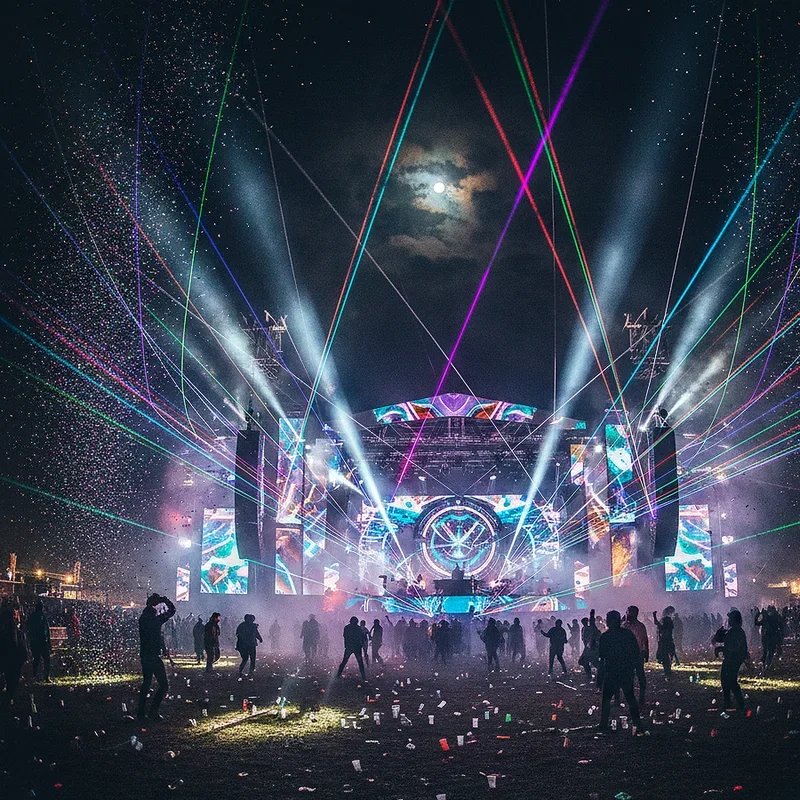
Picture this: thousands of people dancing under strobe lights, bass thumping so hard you can feel it in your chest, and a sense of unity that's almost palpable. That's the essence of a rave party. But what exactly is a rave, and how did this phenomenon become such a defining part of modern youth culture? Well, buckle up because we're about to dive deep into the electrifying world of raves, exploring everything from their humble beginnings in warehouses to the massive festivals that draw hundreds of thousands of attendees today. Whether you're a seasoned raver or someone who's just curious about what all the fuss is about, understanding What Is a Rave Party? Music, Culture, and Origins Explained will give you fascinating insights into one of the most significant cultural movements of the past few decades
The Definition and Core Elements of Rave Culture
At its most basic level, a rave is an organized dance party featuring electronic music performed by DJs and producers. But honestly, that definition barely scratches the surface of what makes these events so special. Raves typically take place in unconventional venues like warehouses, open fields, abandoned buildings, or even underground spaces. The whole point is to create an immersive experience that's different from your typical nightclub scene.
The music is absolutely central to the rave experience. We're talking about electronic dance music in various forms including house, techno, trance, drum and bass, dubstep, and countless other subgenres. These tracks feature repetitive beats, synthesized sounds, and rhythms specifically designed to keep people dancing for hours on end. The tempo usually ranges from 120 to 150 beats per minute, creating that hypnotic effect that ravers know and love.
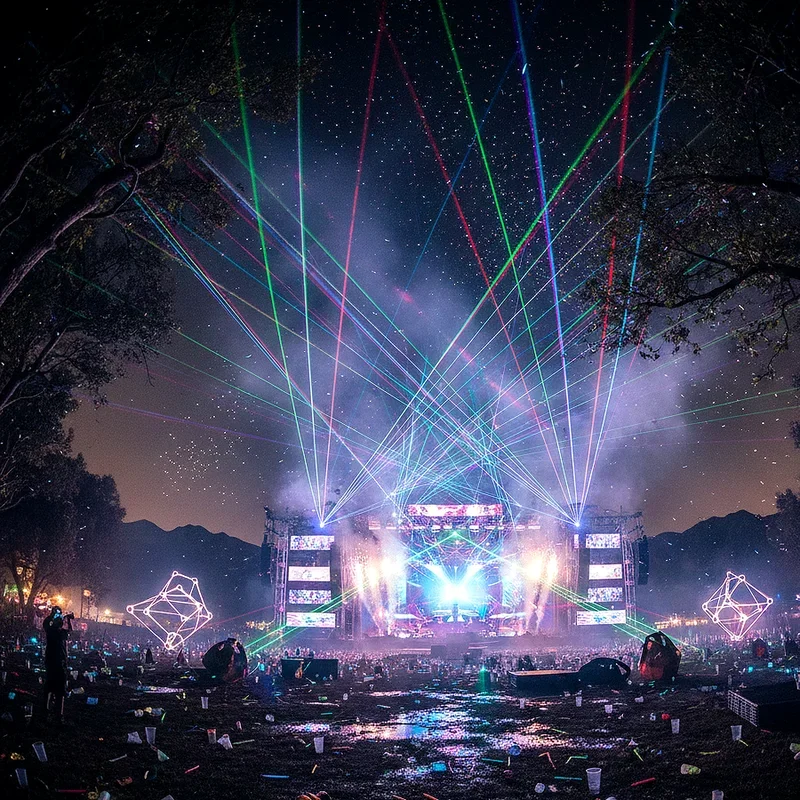
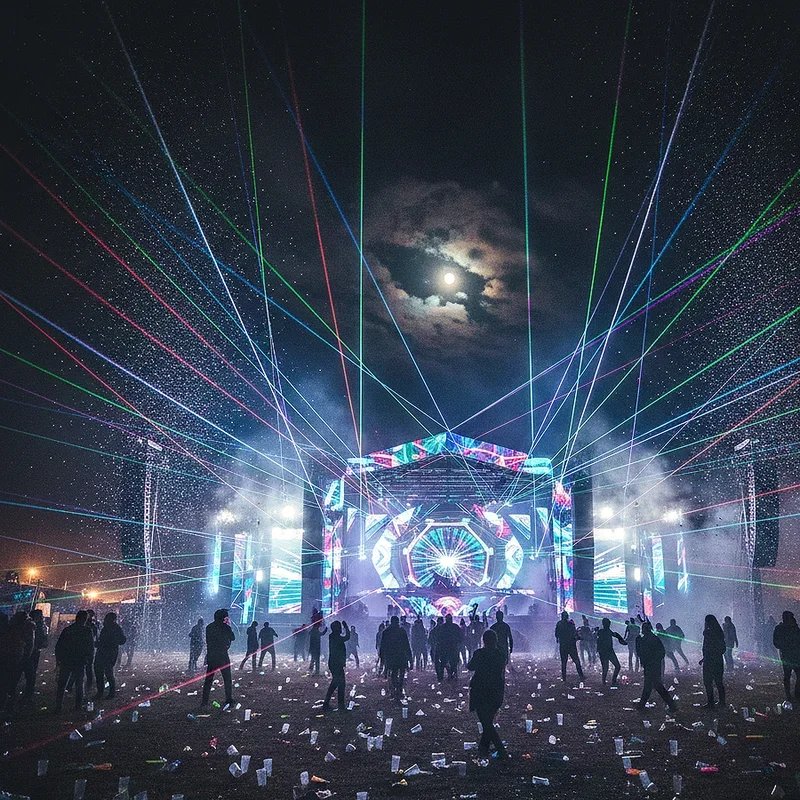
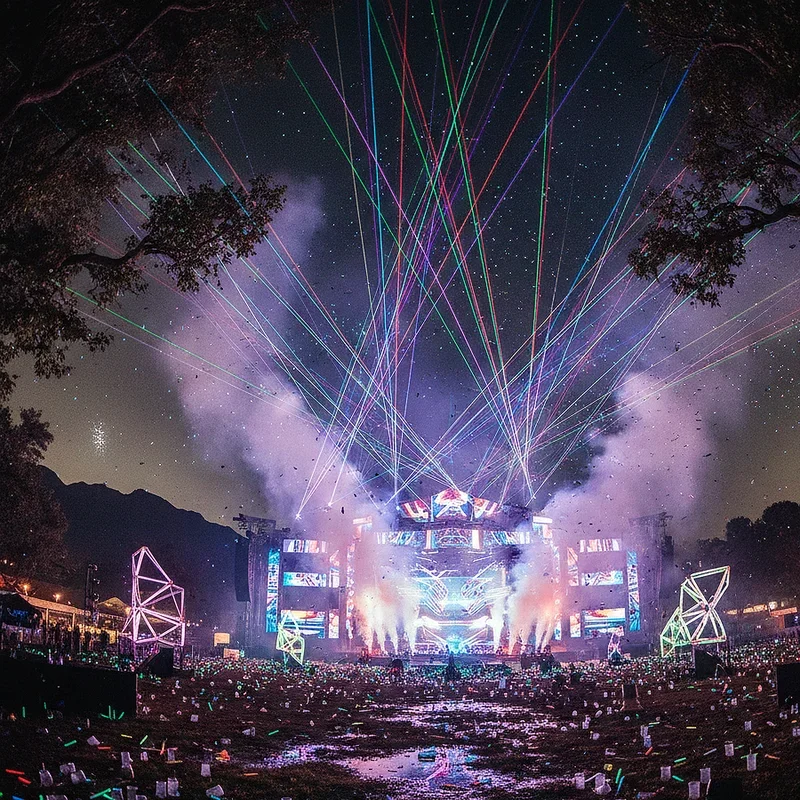
But here's the thing: raves aren't just about the music. They're about the entire sensory experience. Elaborate light shows, laser displays, video projections, and LED installations transform venues into otherworldly spaces. Many ravers enhance their experience through expressive fashion choices, wearing bright colors, furry boots, LED accessories, and creative outfits that you definitely wouldn't see at your local shopping mall.
The social aspect is equally important. Rave culture emphasizes values often summarized by the acronym PLUR, which stands for Peace, Love, Unity, and Respect. This philosophy encourages ravers to look out for one another, share positive vibes, and create an inclusive environment where everyone feels welcome regardless of their background, race, or identity.
Historical Origins and the Birth of Rave Culture
Now, let's rewind the clock and explore where all this started. The origins of rave culture can be traced back to several different movements and locations during the 1980s. In the United States, warehouse parties in cities like Chicago, Detroit, and New York laid the groundwork for what would become the modern rave scene.
Chicago house music emerged in the early 1980s when DJs like Frankie Knuckles began experimenting with drum machines, synthesizers, and disco tracks at clubs like the Warehouse. Meanwhile, Detroit was birthing techno music through pioneers like Juan Atkins, Derrick May, and Kevin Saunderson, who became known as the Belleville Three. These innovators created futuristic sounds that would influence electronic music for decades to come.
Across the pond, the United Kingdom was experiencing its own electronic music revolution. The acid house movement exploded in the late 1980s, particularly during the Second Summer of Love in 1988. Warehouse parties and outdoor gatherings started popping up around London and other major cities. These illegal events often happened in secret locations, with organizers distributing flyers and using word-of-mouth to spread information about party venues.
The island of Ibiza also played a crucial role in rave culture's development. British DJs visiting the Spanish island were exposed to the Balearic beat sound and brought it back home, helping to fuel the UK rave scene. By 1989, massive illegal raves were attracting thousands of attendees, often held in fields or abandoned industrial spaces.
The Evolution of Electronic Music Genres
Understanding What Is a Rave Party? Music, Culture, and Origins Explained requires diving into the diverse musical landscape that defines these events. Electronic dance music has branched into countless subgenres, each with its own characteristics, fan base, and cultural significance.
House music remains one of the foundational genres, characterized by its four-on-the-floor beat pattern and soulful vocals. Deep house offers a more mellow, atmospheric sound, while progressive house builds tension through gradual layering of melodies and rhythms. Tech house combines elements of techno and house, creating a driving, rhythmic sound perfect for peak-time dance floors.
Techno tends to be darker, more industrial, and more minimalist than house music. Originating in Detroit, techno emphasizes futuristic sounds, repetitive beats, and mechanical rhythms. Subgenres like industrial techno, minimal techno, and acid techno each offer distinct sonic experiences that appeal to different tastes within the rave community.
Trance music gained massive popularity in the 1990s and early 2000s, known for its melodic breakdowns, emotional buildups, and euphoric drops. Psytrance takes things further with psychedelic elements, faster tempos, and complex layering that creates mind-bending sonic journeys.
Drum and bass emerged from the UK jungle scene, featuring breakbeats, heavy basslines, and tempos typically around 170 to 180 beats per minute. This high-energy genre demands skilled mixing and attracts dancers who can keep up with its frenetic pace. Dubstep exploded in popularity during the late 2000s, characterized by wobbling basslines, syncopated rhythms, and dramatic drops.
Fashion, Art, and Visual Culture at Raves
You can't talk about rave culture without discussing the incredible visual and fashion elements that make these events so distinctive. Rave fashion has evolved significantly over the decades, but certain elements remain constant: bright colors, comfortable clothing that allows for hours of dancing, and accessories that catch the light.
Kandi bracelets have become iconic symbols of rave culture. These handmade beaded bracelets are often traded between ravers as gifts, symbolizing friendship and the PLUR philosophy. Many experienced ravers wear dozens or even hundreds of kandi bracelets up their arms, each one representing a connection made at a previous event.
Gloving is another unique art form that emerged from rave culture. Glovers wear LED lights on their fingertips and perform intricate hand movements that create mesmerizing light trails in the dark. Receiving a light show from a skilled glover has become a cherished rave experience.
Fashion choices often include platform shoes, furry leg warmers, colorful wigs, face paint, body glitter, and outfits that wouldn't look out of place in a science fiction movie. The key is expressing yourself authentically and wearing whatever makes you feel confident and comfortable.
Visual artists and production teams create stunning environments at rave venues. Stage designs incorporate massive LED screens, lasers, pyrotechnics, CO2 cannons, and projection mapping that transforms ordinary spaces into extraordinary realms.
The Role of Technology in Modern Rave Culture
Technology has transformed rave culture in countless ways, from music production to event promotion to the actual party experience. Digital audio workstations and electronic instruments have democratized music production, allowing bedroom producers to create professional-quality tracks without expensive studio time.
Social media platforms have revolutionized how ravers discover events, connect with fellow fans, and share their experiences. Instagram, Facebook, and TikTok allow promoters to reach massive audiences instantly, while ravers use these platforms to coordinate meetups and stay connected with the community between parties.
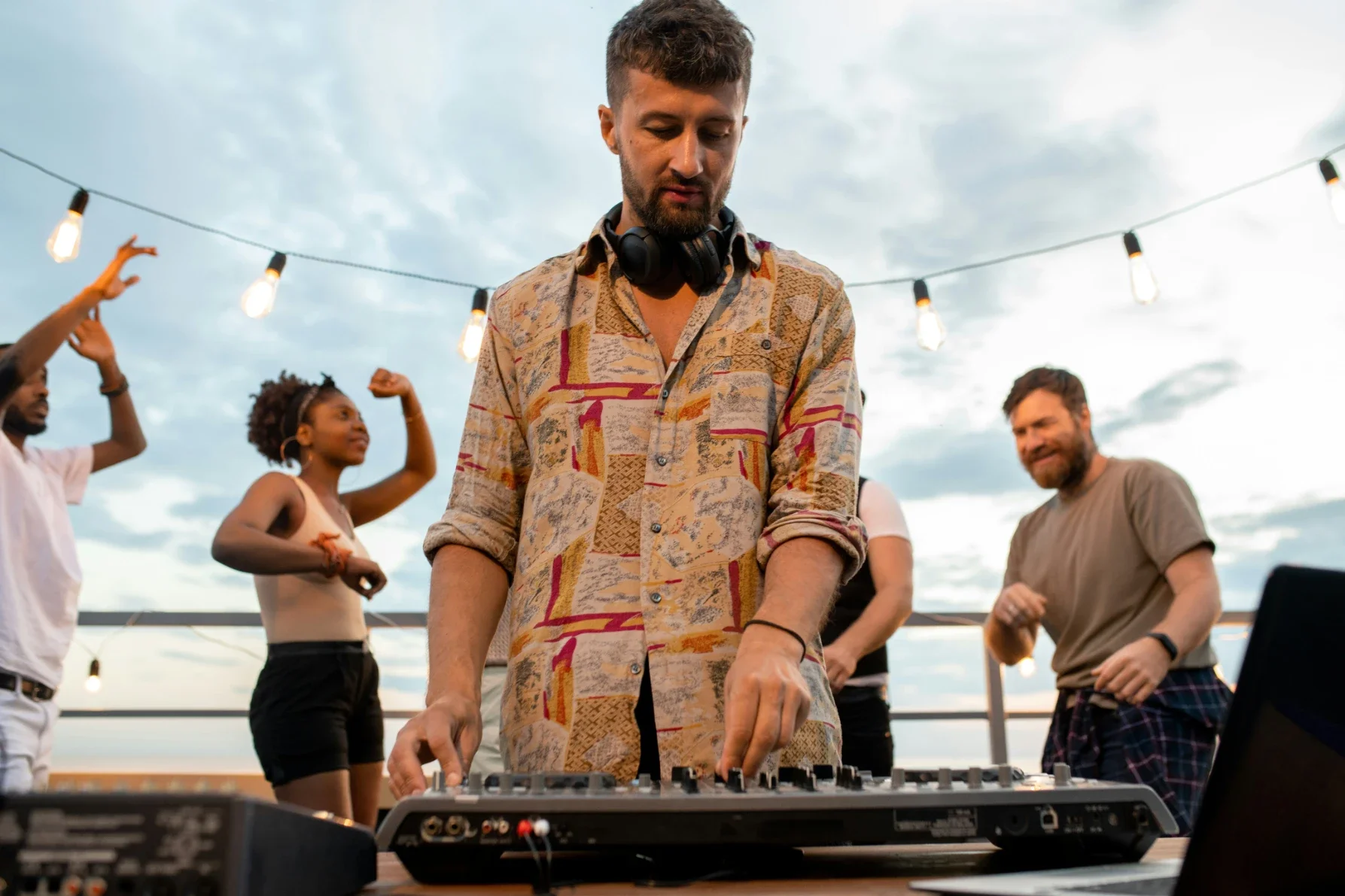
DJ equipment has evolved dramatically, with digital controllers and software like Serato and Traktor replacing traditional turntables for many performers. This technology enables more complex mixing techniques, creative effects, and seamless integration of digital music libraries.
Lighting and visual technology have also advanced tremendously. LED technology has made it possible to create dynamic, programmable light shows that sync perfectly with music. Lasers, moving heads, strobes, and projection mapping create immersive environments that respond to every beat and bassline.
The Commercial Evolution and Global Reach
Rave culture has undergone massive commercialization since its underground origins. What started as illegal warehouse parties has evolved into a multi-billion dollar industry encompassing festivals, clubs, merchandise, and streaming platforms. Major festivals like Tomorrowland in Belgium, Ultra Music Festival in Miami, and Electric Daisy Carnival in Las Vegas represent the pinnacle of commercial rave culture.
Rave culture has spread to virtually every corner of the globe. In Europe, countries like Germany, Netherlands, Belgium, and the United Kingdom remain epicenters, hosting legendary clubs and festivals. Berlin has become something of a mecca for techno lovers, with venues like Berghain achieving almost mythical status among ravers.
In North America, rave culture has evolved from underground warehouse parties to massive commercial festivals drawing hundreds of thousands of attendees. Cities like Los Angeles, New York, Miami, and Las Vegas have robust club scenes that cater to electronic music fans year-round.
Asia has embraced rave culture with enthusiasm, particularly in countries like Japan, South Korea, Thailand, and India. Tokyo's club scene blends electronic music with Japanese pop culture, creating a unique hybrid. Goa in India became famous for its psychedelic trance parties on the beach.
Despite commercialization, underground rave scenes continue to thrive in many cities. Warehouse parties, squat raves, and guerrilla events still happen regularly, maintaining the rebellious spirit and community-focused ethos that defined early rave culture.
Safety and Community Values
Let's be real: discussions about What Is a Rave Party? Music, Culture, and Origins Explained must address safety and wellbeing. The modern rave community has increasingly embraced harm reduction approaches. Organizations like DanceSafe provide drug testing services, educational materials, and medical support at festivals.
Staying hydrated is absolutely crucial at raves, especially during marathon dance sessions in hot, crowded venues. Many events provide free water stations and encourage attendees to take breaks from dancing. Heat exhaustion and dehydration are real dangers that can affect anyone.
Consent culture has become an important focus within rave communities. The PLUR values emphasize respecting everyone's boundaries and creating safe spaces where all attendees feel protected. Many festivals and promoters have implemented anti-harassment policies, trained security staff, and established reporting systems.
The Future of Rave Culture
So where is rave culture headed? Technology will undoubtedly continue shaping the scene, with virtual reality, artificial intelligence, and new production tools creating possibilities we can barely imagine. Environmental sustainability has become an increasing concern, with many events implementing eco-friendly initiatives like solar power, composting programs, and carbon offset programs.
Diversity and inclusion efforts are reshaping rave culture in positive ways. Many promoters, artists, and organizations are actively working to create more inclusive spaces where everyone can feel safe and celebrated. New genres and fusion styles continue emerging as producers experiment with combining electronic music with elements from hip-hop, rock, jazz, and world music.
Conclusion
Understanding What Is a Rave Party? Music, Culture, and Origins Explained reveals a rich, complex culture that's evolved dramatically since its underground beginnings. From Chicago warehouses to Berlin techno clubs to massive international festivals, rave culture has transformed how people experience music and build communities. Despite commercialization and mainstream acceptance, the core values of peace, love, unity, and respect continue guiding this vibrant movement, ensuring that rave culture remains a powerful force for connection and creativity in our digital world.
Read next: What Is a Kickback Party and Why It’s Popular With Friends
Frequently Asked Questions
Q1: What is the main purpose of a rave party?
A: Rave parties create immersive experiences centered around electronic dance music, community connection, and self-expression.
Q2: Are rave parties legal events?
A: Most modern raves are legal, permitted events, though underground illegal parties still occasionally occur.
Q3: What should I wear to my first rave?
A: Wear comfortable clothing suitable for dancing, often including bright colors, comfortable shoes, and expressive accessories.
Q4: How long do rave parties typically last?
A: Rave duration varies widely, from single-night events lasting six hours to multi-day festivals.
Q5: What does PLUR mean in rave culture?
A: PLUR stands for Peace, Love, Unity, and Respect, representing core rave community values.
Stay up to date with our latest ideas!